
Older homes carry a lot of charm – the woodwork, the craftsmanship, the story in every creak of the floorboards. But if your home was built before 1960, it could be hiding issues with today’s safety codes and standards no longer allow to slip through the cracks. Whether you’re renovating, planning to sell, or thinking about renting it out, it’s important to know what might be lurking behind those walls (or under your floors). Let’s break down some of the common conserns.
Asbestos (and Why It’s Still a Problem)
Many homes built before the 1980s used asbestos in insulation, floor tiles, ceiling tiles, and even wall materials. It was prized for its fire resistance — until we learned it causes serious health problems when disturbed.

If you are wanting to renovate your home, a new bathroom or kitchen your contractor has to know what to do with any and all asbestos they find. If you’re selling or renting your home, asbestos testing and, if necessary, professional abatement is often required. You can’t legally sell or rent a property with active asbestos hazards in many states. Even encapsulating (sealing it off safely) must be done by licensed professionals — it’s not a DIY job. Not addressing asbestos could hold up a sale or inspection, or worse, expose someone to health risks.
Improper or Nonexistent Waterproofing
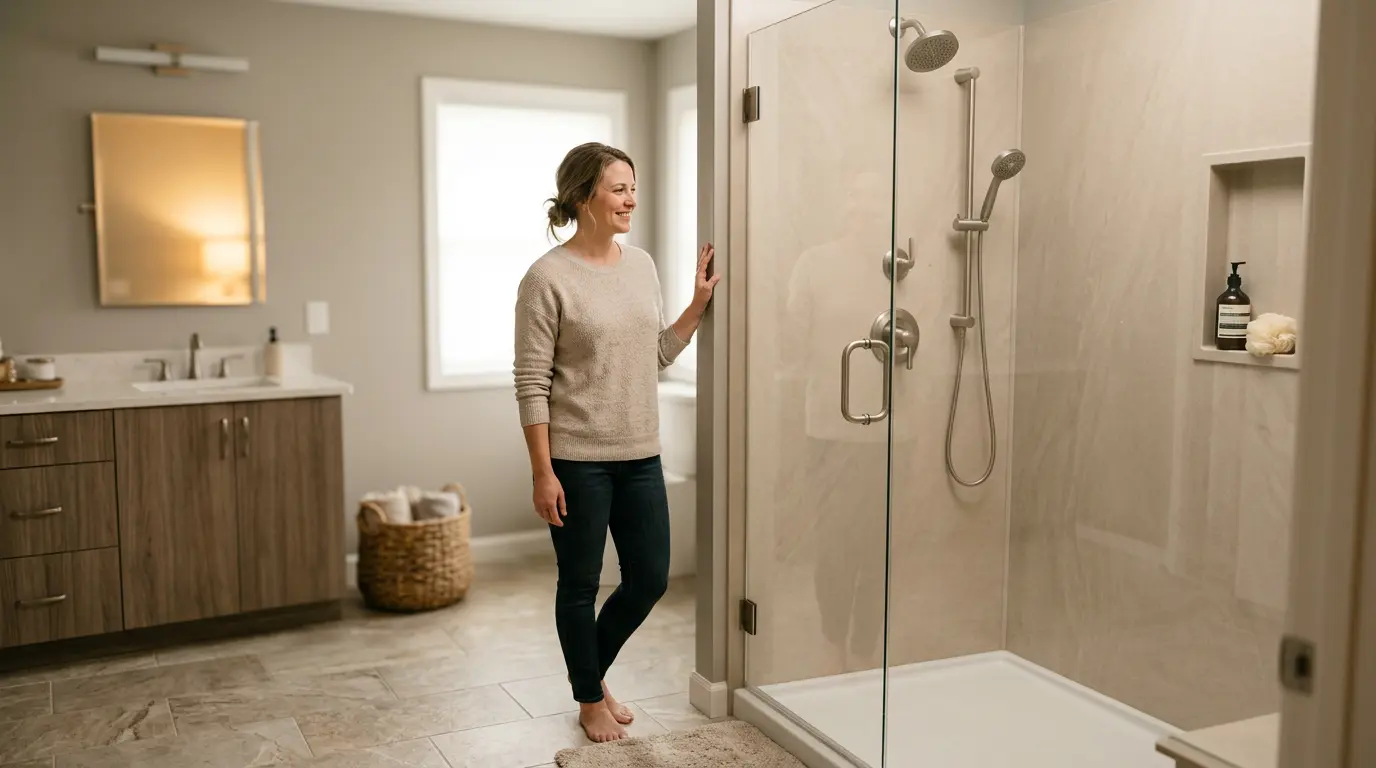
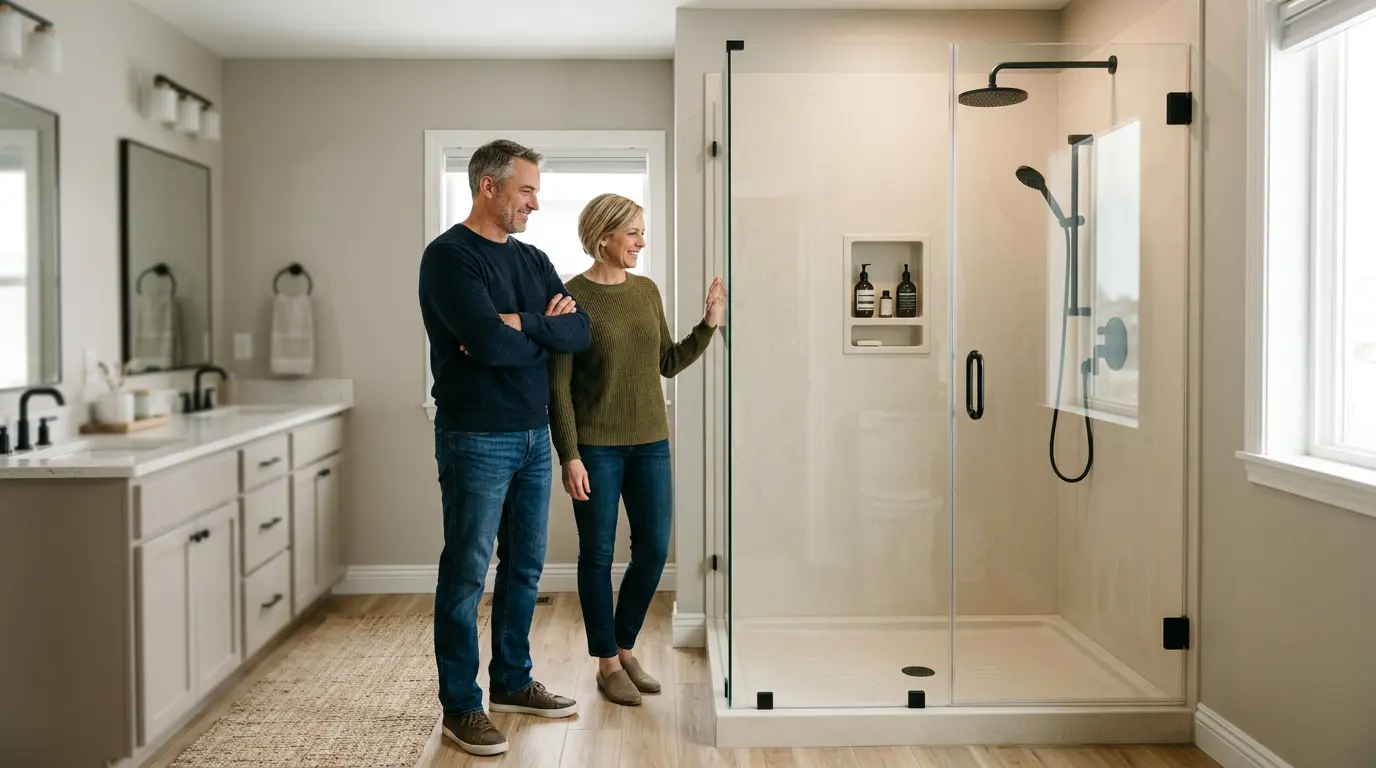
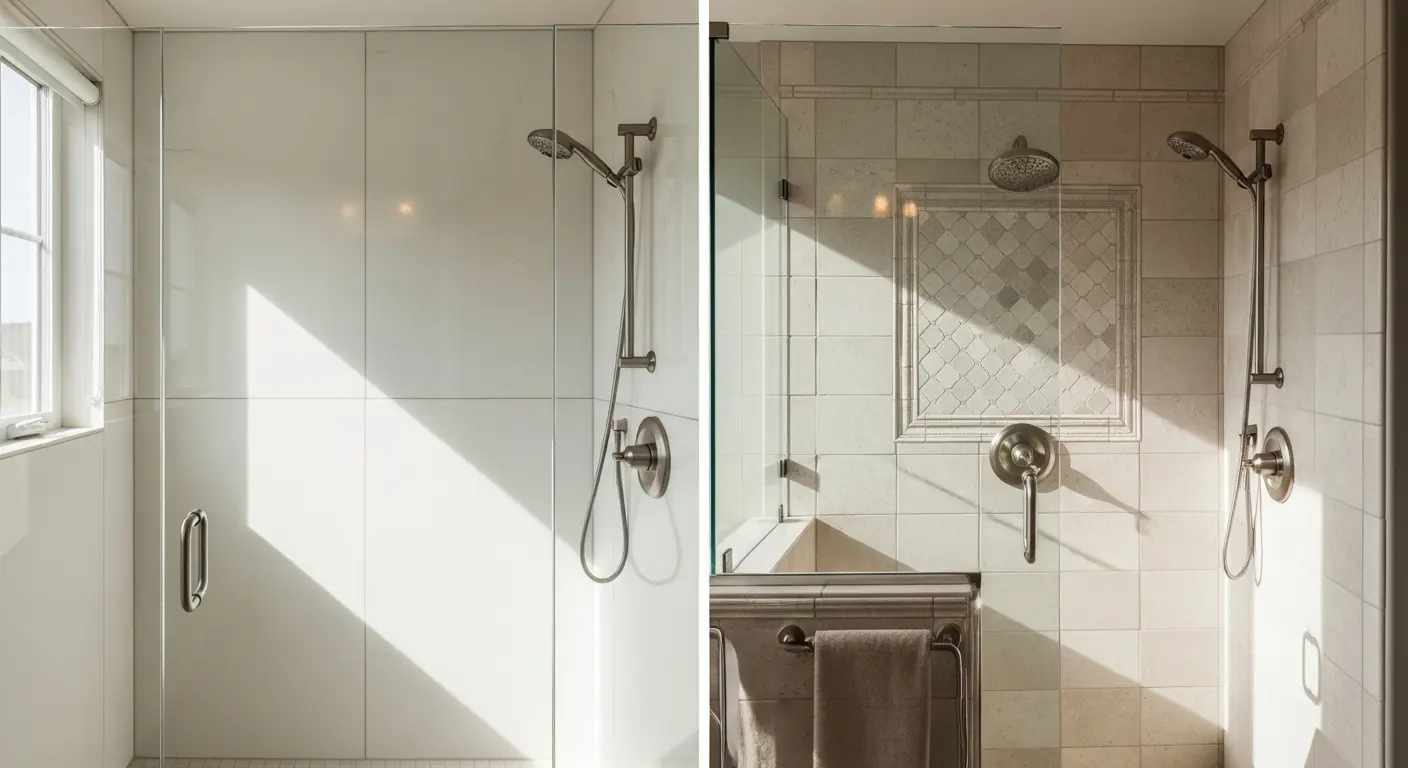
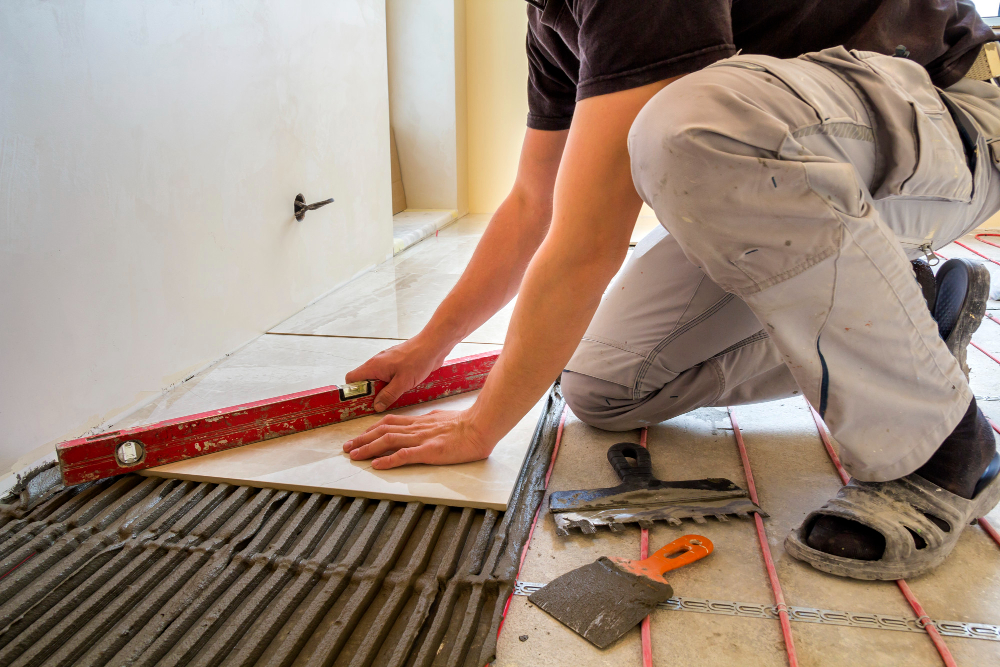
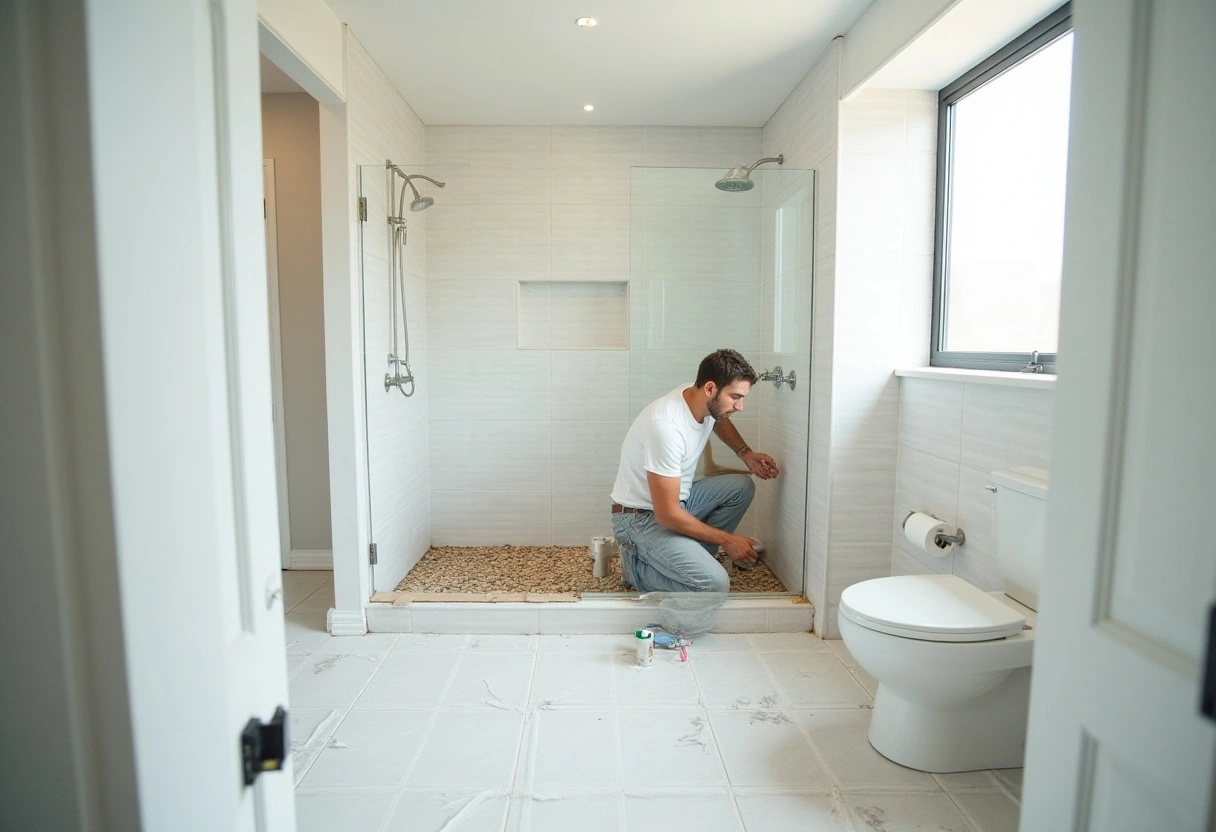
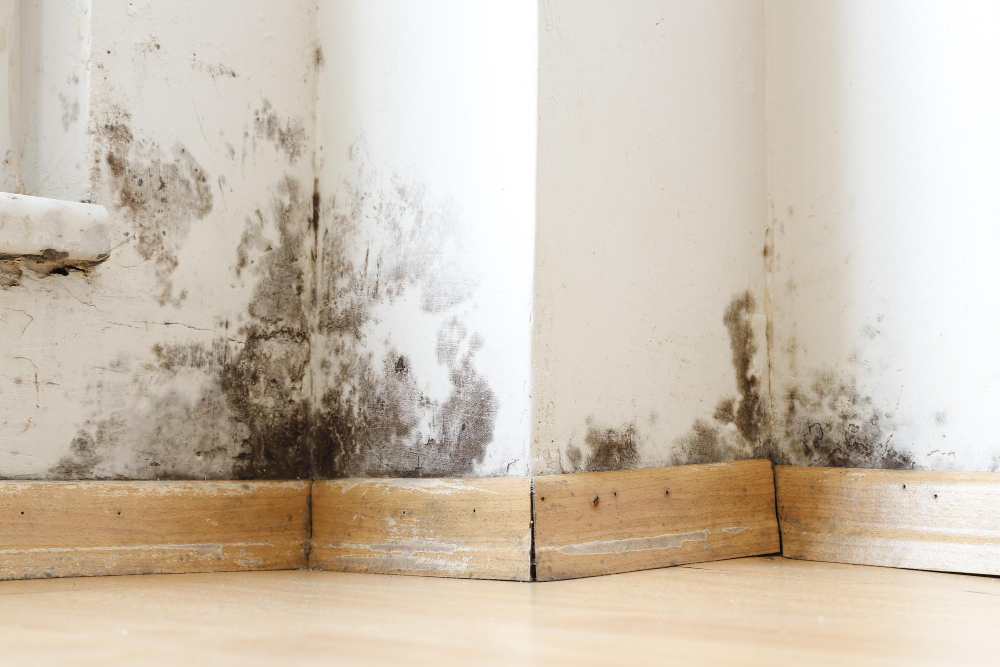
Back in the day, tile was often laid directly onto drywall or wood, especially in bathrooms. Good chance that the tile was set using mastic – a very sticky, tar like adhesive that was common at the time. While it got the job done back then, it dries out and overtime that leads to rot, mold, and major structural damage. Today’s codes require waterproof membranes behind wet-area walls and floors.
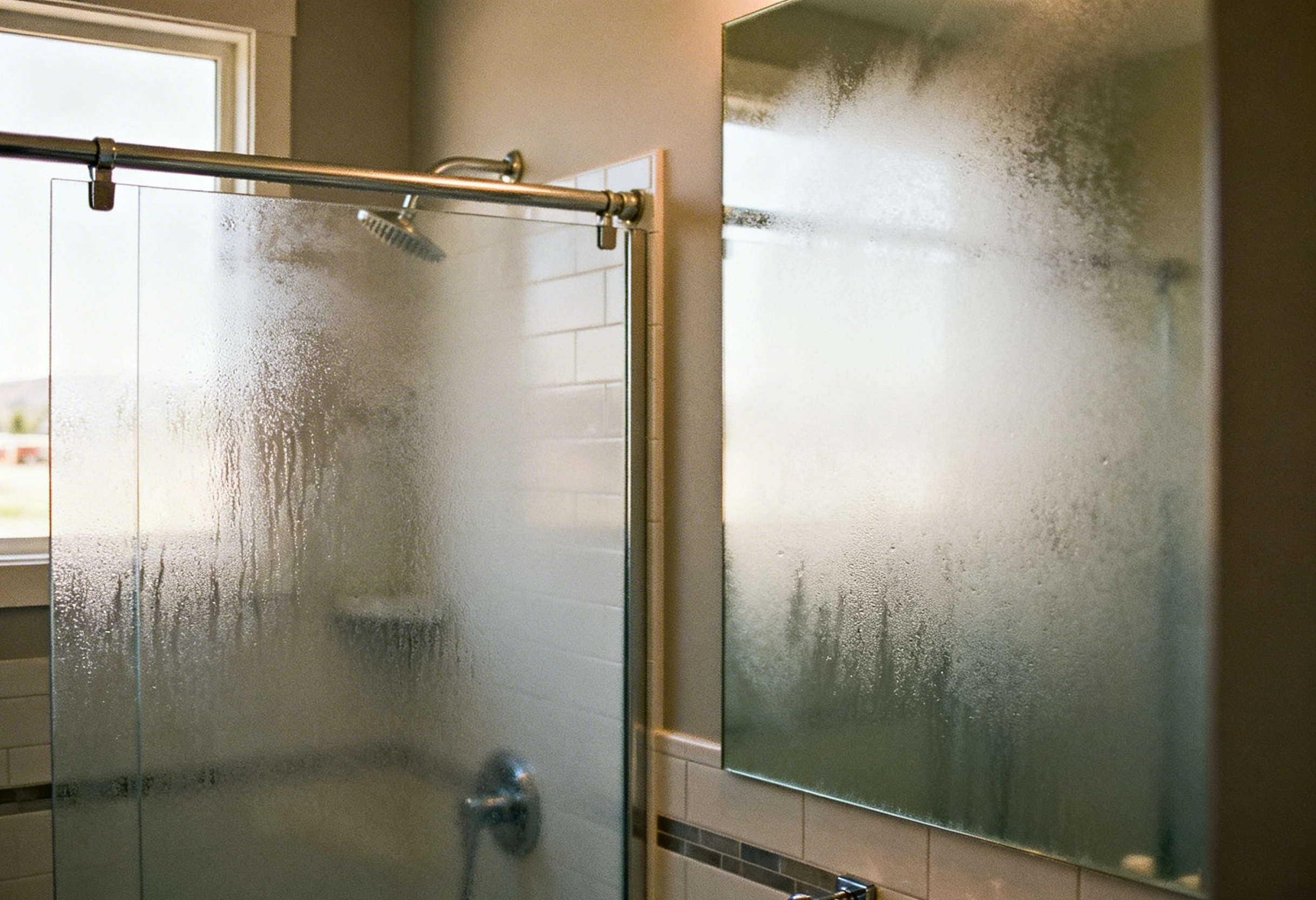
Planning to sell? Home inspectors often flag signs of water damage, especially in showers and around tubs. What looks like a little grout issue might actually reveal thousands of dollars in repairs behind the wall. If you’re renting, water damage from faulty waterproofing can open you up to legal issues — and health concerns from mold exposure.
Egress Windows & Emergency Exits

If your basement has a bedroom, current building codes require an egress window — a safe, accessible exit in case of fire. Many older homes don’t have these, especially in below-grade spaces.
Before you rent out a basement or sell the home, you may need to update these windows to meet code. Appraisers and inspectors will flag them. And more importantly, if someone is living or sleeping in that space, it’s a major safety issue. Not up to code = not safe = not sellable.
Outdated Electrical Systems

Knob-and-tube wiring, 60-amp service panels, ungrounded outlets — these are all common in pre-1960 homes and don’t meet today’s safety codes. Modern homes require at least 100-amp service and grounded, GFCI-protected outlets in key areas.
Looking to list your home? Most buyers’ insurance companies won’t cover homes with outdated electrical, or they’ll charge a premium until it’s updated. In a rental, it can be a liability risk if it sparks a fire. Upgrading your system now can help avoid headaches later.
Lead Paint

If your home was built before 1978, there’s a good chance it has lead-based paint — especially under newer layers. When disturbed (during renovations, or just chipping from age), it becomes a serious health hazard, particularly for children.
You are legally required to disclose the presence of lead paint if you’re selling or renting your home. In many areas, remediation or encapsulation is required before transfer or occupancy. Don’t wait until you’re mid-renovation to find out you need a certified lead-safe contractor.
Old Plumbing Materials
Galvanized pipes, once standard, corrode from the inside out and can lead to low water pressure, poor drainage, and even water contamination. Likewise, old cast iron stacks often fail after decades underground.

Before listing or renting, a plumbing inspection is wise. In many municipalities, sellers are required to update failing or non-code systems before a transfer of ownership. And tenants? They’ll definitely notice if the water tastes like metal or the drain backs up weekly.
Final Thoughts
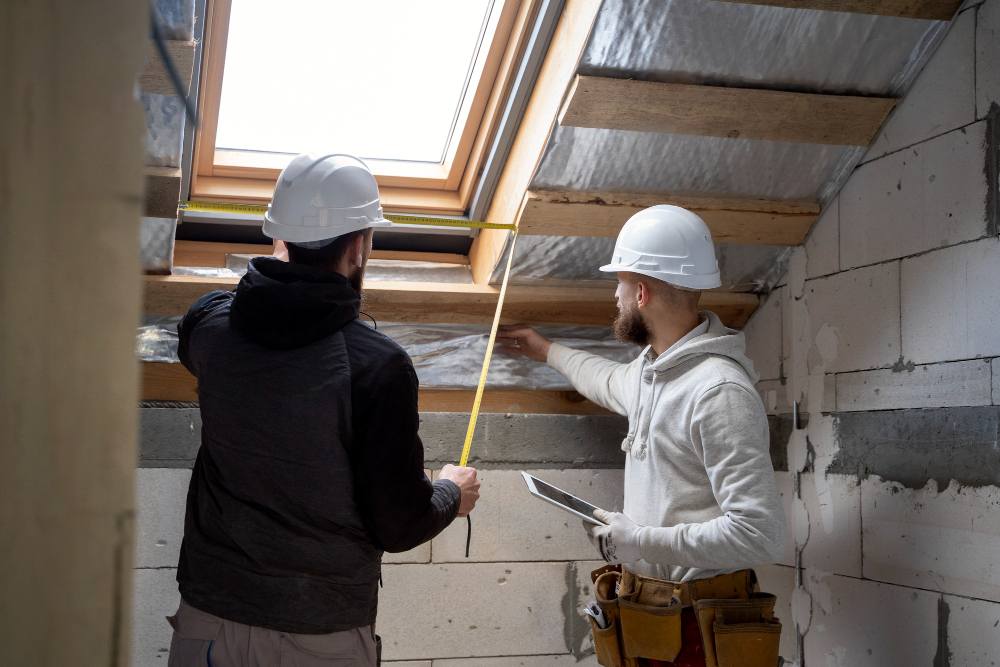
Old homes deserve a second life — but safely. If your home was built before 1960, don’t wait for a buyer, inspector, or tenant to discover these hidden hazards. Integrity Construction and Restoration can help you evaluate what’s behind the walls, bring things up to code, and preserve the home’s character while protecting everyone inside.

Want an honest assessment of what’s going on in your walls? Reach out — we’ll walk you through it, every step of the way.