From choosing family-friendly materials to understanding what adds value, here’s what homeowners in Colorado want to know before they renovate.
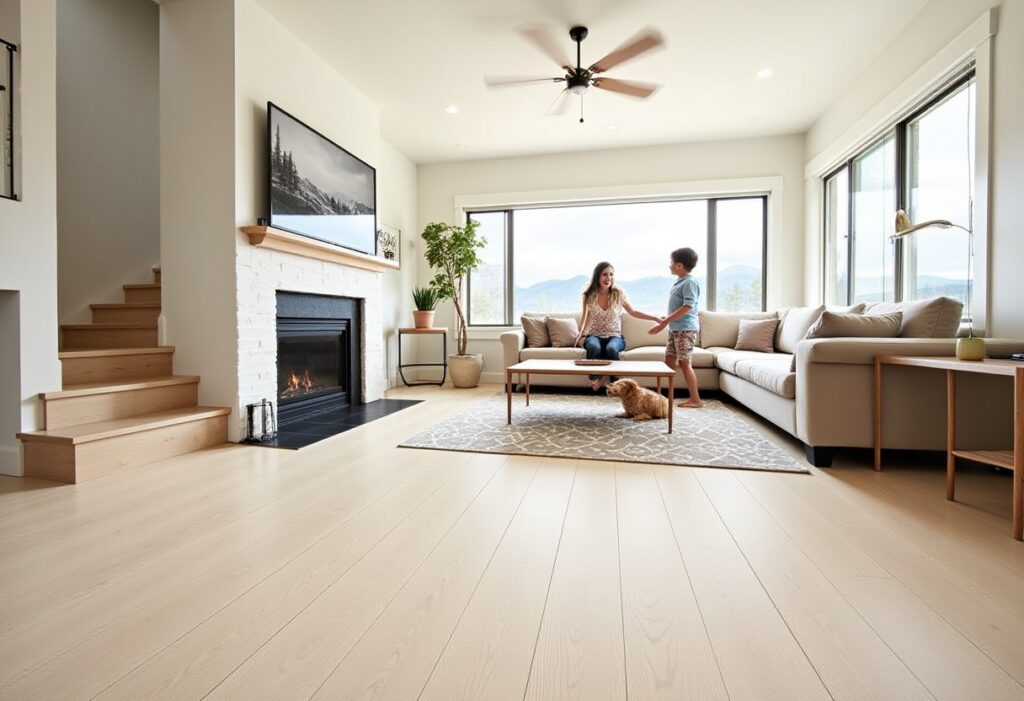
1. What type of flooring is best for a busy family home?
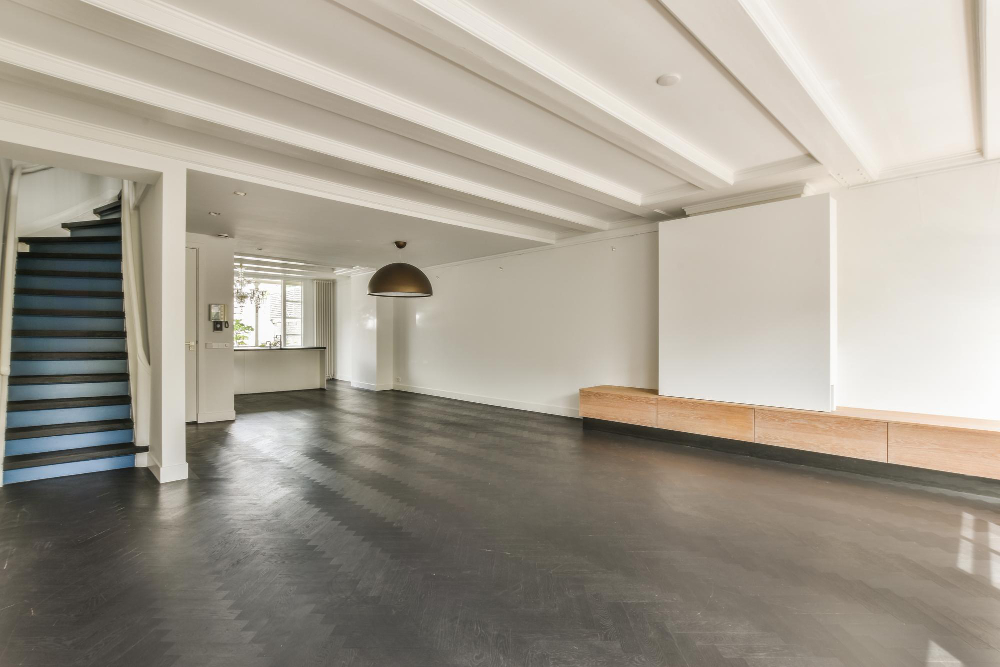
Durability and water resistance are key. We often recommend:
- Luxury Vinyl Plank (LVP): Scratch-resistant, waterproof, budget-friendly, pet-friendly
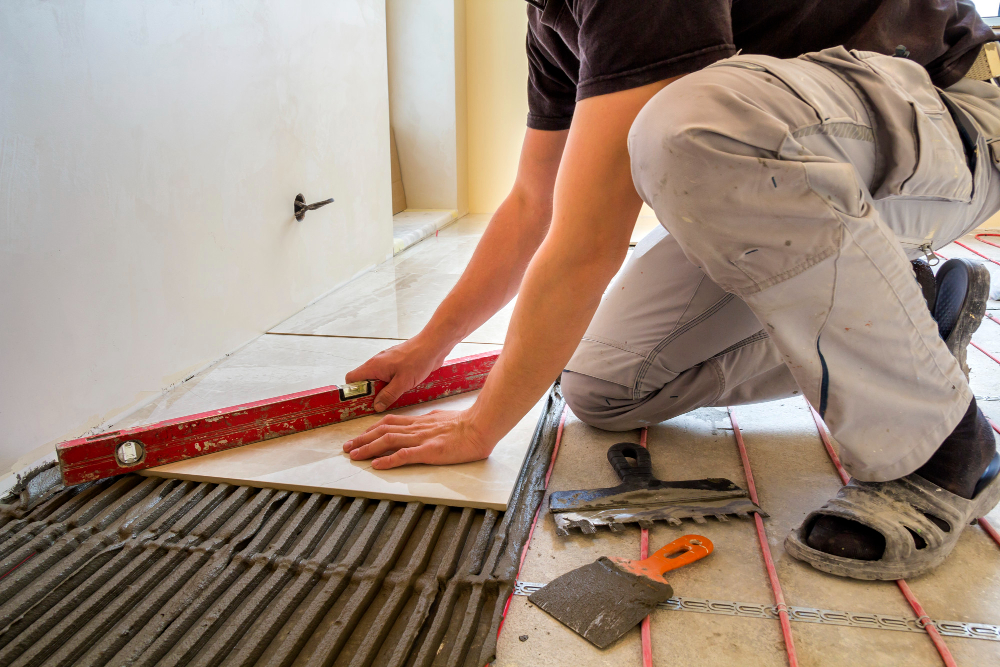
- Tile: Great for kitchens and bathrooms, but harder underfoot
- Engineered Hardwood: Warmer and more forgiving than solid hardwood, but more sensitive to moisture
Skip soft woods like pine and anything that stains easily. You want something that can survive muddy shoes, pets, and dropped snacks.
2. What renovations give the best return on investment (ROI)?
The top 3 remodeling projects for ROI in Colorado:
- Minor kitchen remodels (new countertops, hardware, fresh paint)
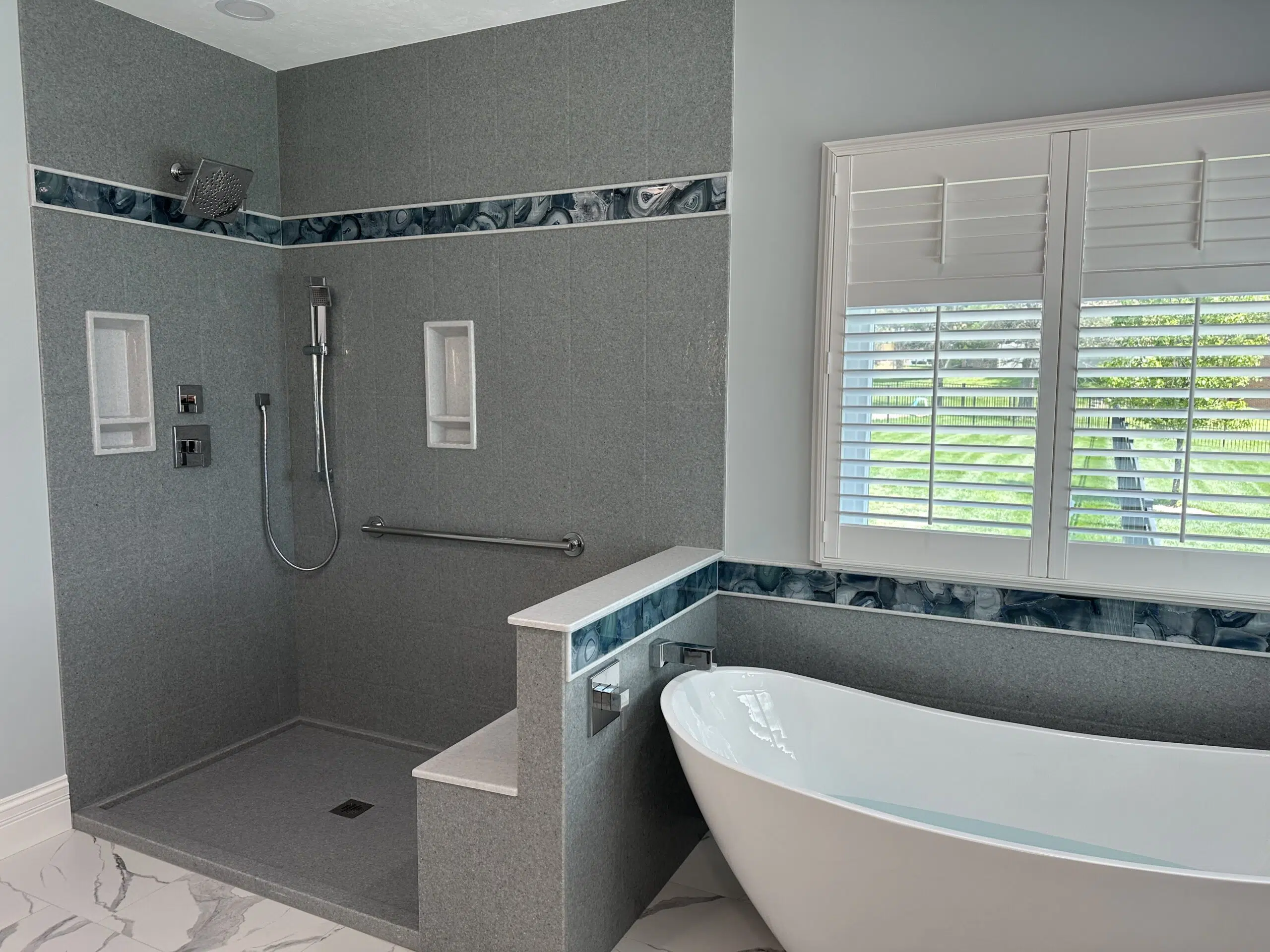
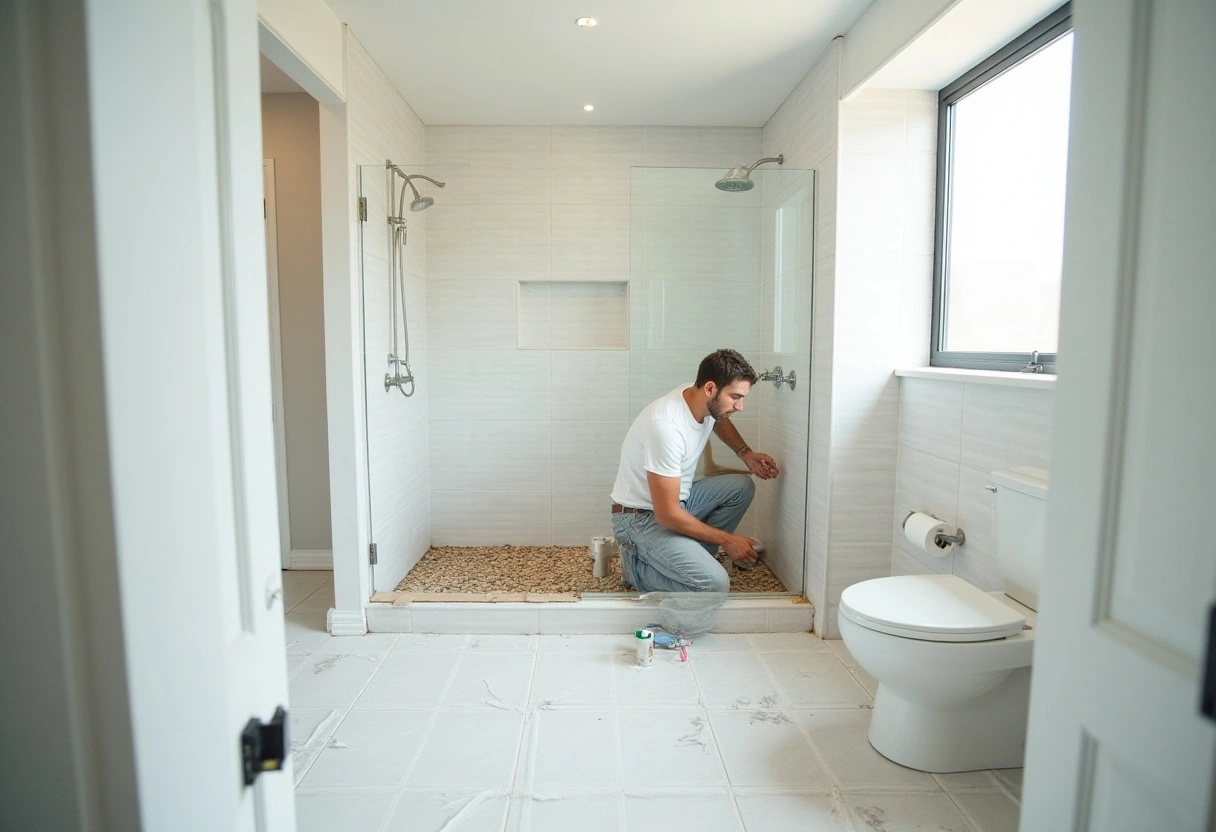
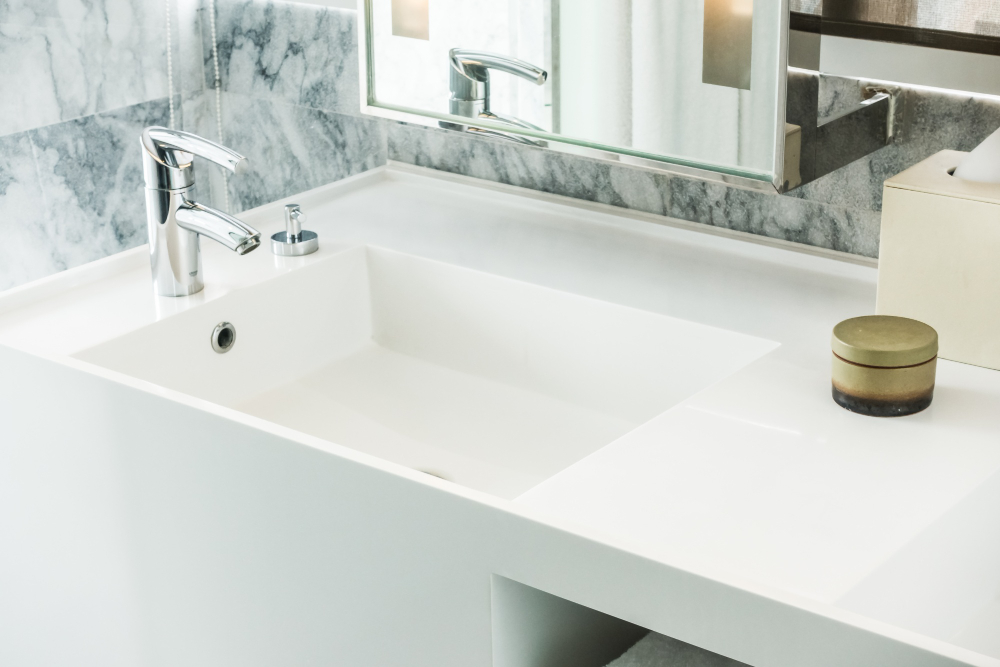
- Bathroom updates (new vanities, tile, walk-in showers)
- Curb appeal upgrades (siding, paint, new doors/windows)
Avoid overly personal design choices if you’re planning to sell in the next 3–5 years.
3. How do I create a remodeling budget that’s actually realistic?
Start by setting your top-line number — then break it into these categories:
- 60–70%: Labor and materials
- 10–15%: Design and permits
- 10–15%: Unexpected costs (there will be some)
Need help? We offer free consultations that include basic cost breakdowns so you can plan without surprises.
4. Should I remodel all at once or in phases?
If your budget allows and you’re able to plan around the disruption, tackling a full remodel at once is often more efficient. But phasing your projects — like doing the kitchen this year and the bathroom next — helps spread out costs and decisions. Just make sure the overall vision is cohesive.
5. How do I know if I need a designer?
If you’re doing a full kitchen or bathroom remodel and want a custom look — or if you feel overwhelmed by choices — a designer can save you time and expensive mistakes. Some contractors (like us!) offer in-house design support, which is often more affordable than hiring a separate design firm.
6. What should I avoid when remodeling with kids in the house?
- Don’t rely on just “keeping the door closed” — remodel zones can be dusty, loud, and unsafe for little ones
- Have a clear schedule and boundaries with your contractor
- Choose low-VOC paints and materials for healthier indoor air
- If remodeling a bathroom or kitchen, plan easy alternatives (microwave meals, second bath access)
7. Can I live in my home during the remodel?
Most of the time, yes — especially for projects like painting, flooring, or single-room makeovers. But if your kitchen is out of commission or you’re remodeling a bathroom and only have one, having a backup plan (even for a few nights) is smart.
8. How do I know if a contractor is trustworthy?
Look for:
- Proper licensing and insurance
- Clear contracts and payment schedules
- A portfolio of past work
- Good reviews (especially from families)
- Willingness to answer questions — no pressure, no evasion
And ask how they handle delays, materials, and change orders. A good contractor will walk you through the whole process, not just sell you the dream.
9. What do most people forget to budget for?
Even when you’ve nailed down the big-ticket items like flooring, tile, and labor, there are still a handful of costs that can sneak up on you. These include:
- Delivery fees for large materials
- Permit costs required by your city or county
- Eating out during kitchen or major bathroom remodels
- Temporary storage for furniture or belongings
- Tool rentals (for DIY projects or if a subcontractor’s tools aren’t compatible)
- Final cleanup or haul-away fees
- Protective floor coverings and dust barriers
- Child/pet gates or temporary accommodations
- Parking or HOA fees for large equipment/trucks
- Professional cleaning after the project is done
These aren’t huge costs on their own — but they add up fast and can easily add hundreds of dollars to your final bill.
10. What unforeseen costs or delays should I expect?
Even with the best plans and team, some things just can’t be predicted. Here’s what catches most people off guard:
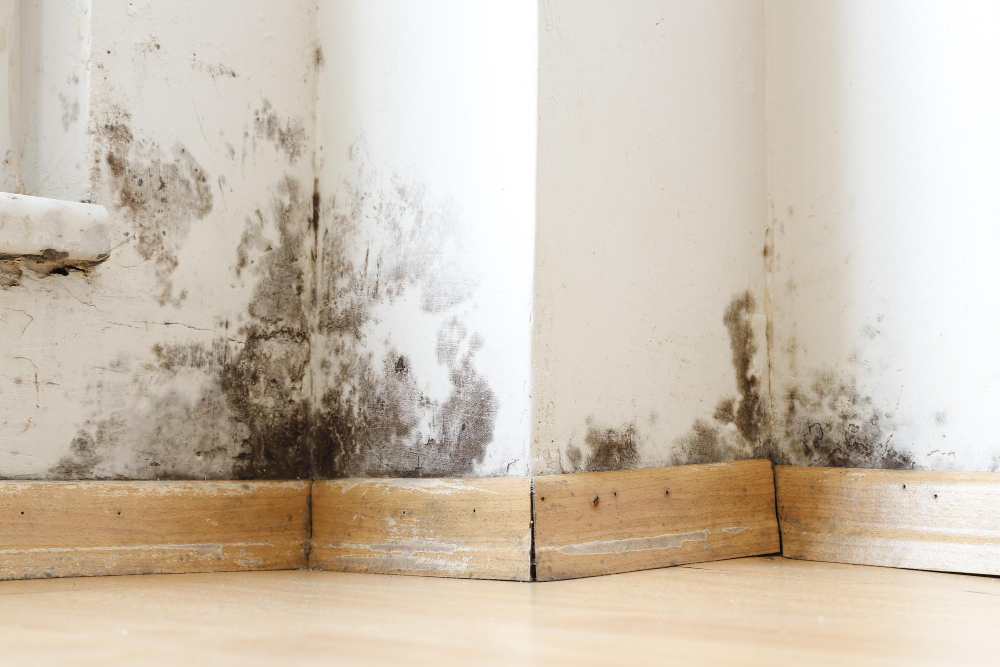
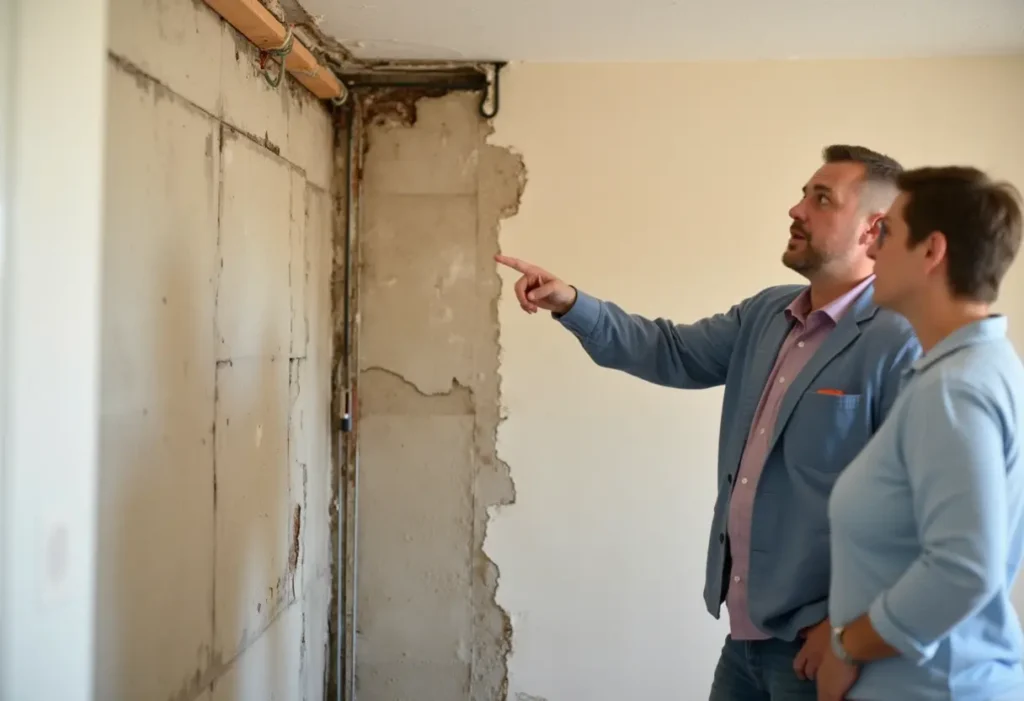
- Discovering mold, water damage, or bad wiring behind walls or under floors
- Material delays — tile, vanities, or fixtures may be listed as “in stock” but are actually backordered or discontinued
- Damaged materials during shipping or install — cracked tile, chipped tubs, scratched countertops
- User or installer error — DIY mishaps or installation mistakes can mean re-ordering expensive items
- Fuel and travel costs — sometimes materials need to be picked up from other towns or suppliers
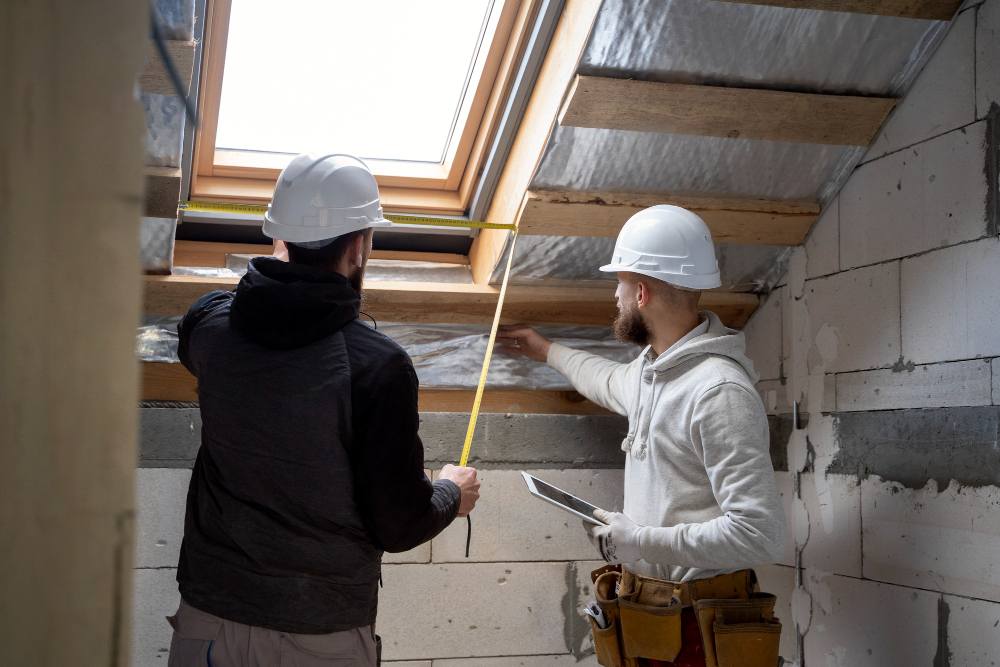
- Needing more material than planned due to layout changes, measurement errors, or product variation
- Accessory items you didn’t consider — caulk, screws, shims, paint trays, grout sealers, trim pieces
- Special tools for specialty products — certain flooring or wall panels require specific blades or adhesives
- Design change mid-project — falling in love with a new idea after work has started can mean extra time and money
- Scheduling conflicts — like your plumber’s wife going into labor or your tile guy getting stuck on another delayed job
Remodeling has hundreds of moving parts — and it’s not just the “pretty” stuff. That’s why planning ahead (and partnering with a contractor who’s transparent about all of this) makes all the difference.
11. How do I future-proof my remodel?
Think beyond today. Some ideas:
- Install blocking in bathroom walls now for future grab bars
- Choose universal design features (wider doorways, lever handles)
- Add outlets and USB ports where kids do homework or you charge devices
- Go for durable materials and timeless design over trendy fads
A well-planned remodel serves your family now — and the you of 10 years from now.
Final Thoughts:
Home remodeling doesn’t have to feel like a guessing game. Whether you’re updating a small space or planning a full renovation, having answers to these common questions can help you make smarter, more confident choices.
Need expert guidance or just a friendly place to start?
We’re here for you — whether you’re dreaming big or just planning phase one. Let’s chat