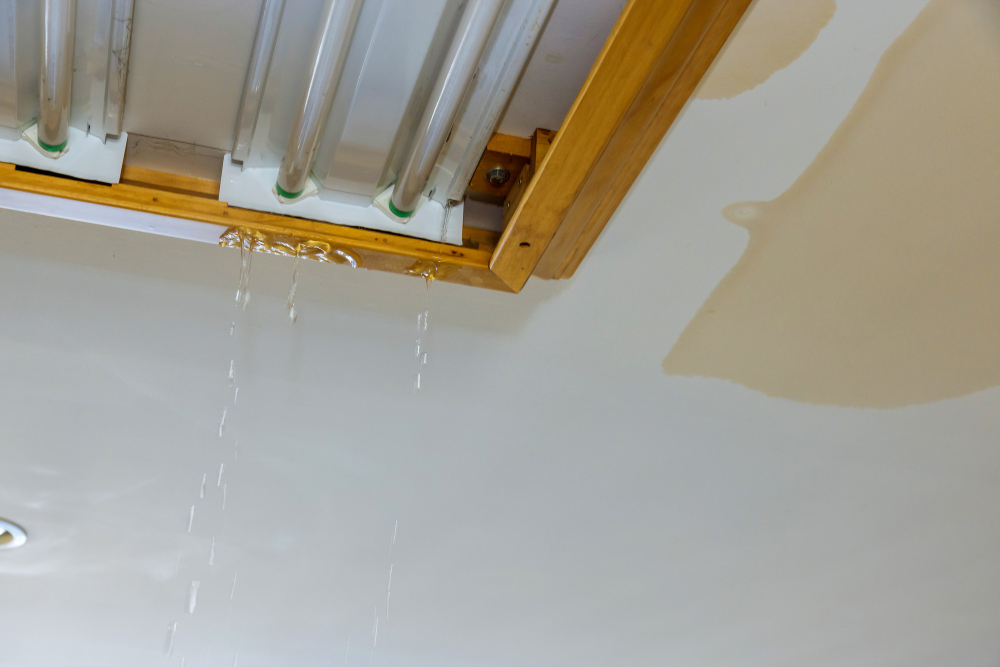
Water damage isn’t always the result of a catastrophic flood or torrential downpour. Sometimes, it’s the quiet drip behind a wall or a slow leak beneath a water heater that causes the most harm. As homeowners, it’s easy to overlook the risks water poses—until it’s too late. This blog explores how water can damage your home, where it’s most likely to strike, and what you can do to protect your space.
The Common Culprits: Where Water Damage Begins
Water damage tends to fall into two categories: internal and external.
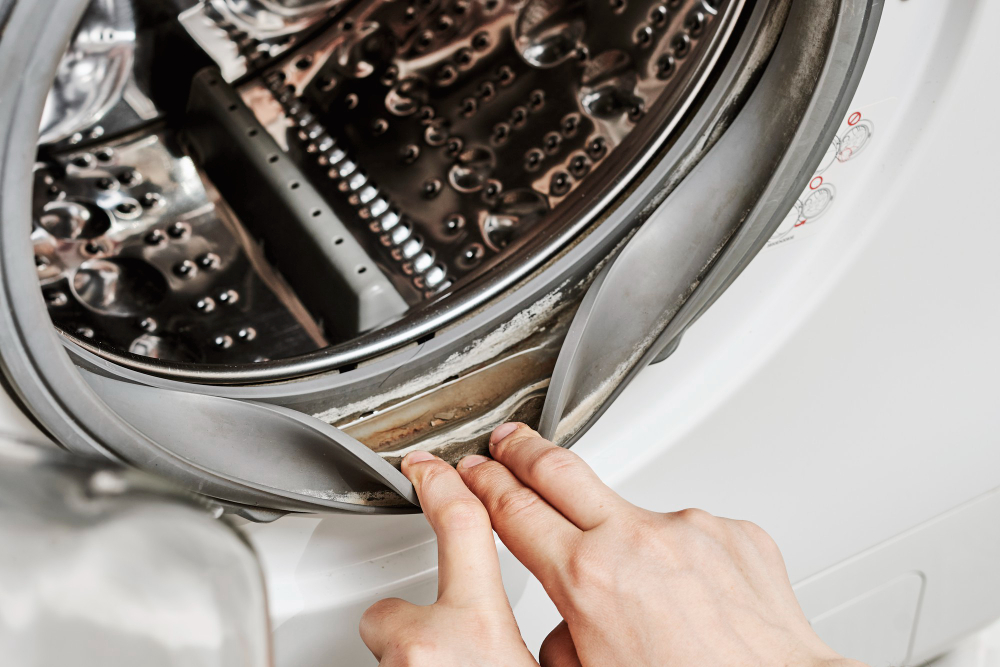
- Internally, damage can stem from:
- Leaky washing machines
- Malfunctioning dishwashers
- Water heater ruptures
- Overflowing bathtubs or sinks
- Broken fish tanks
These are often slow leaks that go unnoticed until you spot warped floors or peeling paint.
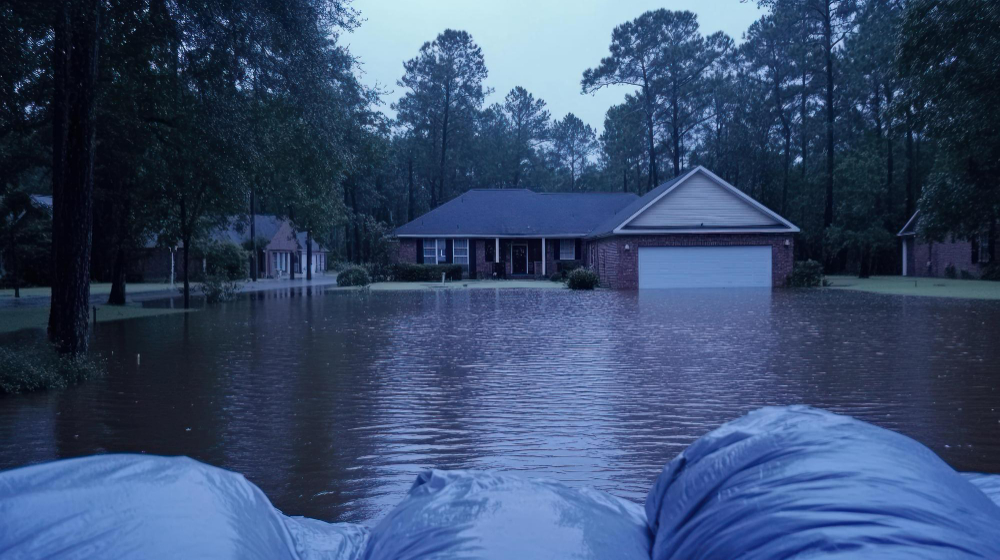
Externally, rain, snowmelt, or rising groundwater can enter your home through roof leaks, poor
grading, or cracked foundations. Even if you’re not in a floodplain, flash flooding can impact
homes—especially in areas like ours, where heavy rain can overwhelm systems quickly.
What Happens When Water Gets In?
Water doesn’t just “soak” things. It causes structural and material decay in ways most people
don’t consider:
- Wood swells, warps, and rots—especially in subflooring and framing.
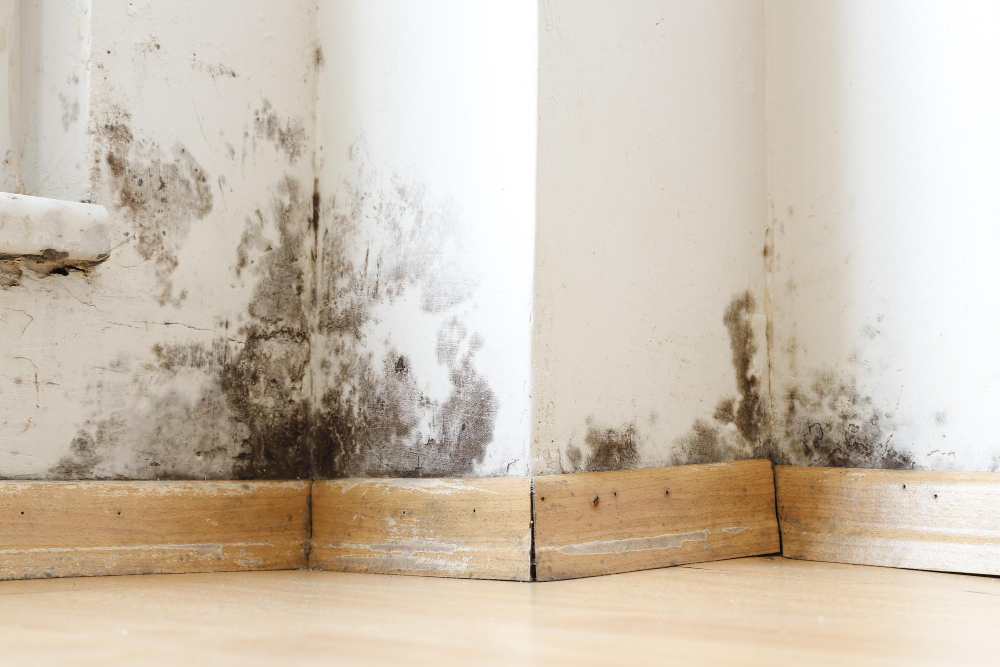
- Drywall crumbles, bubbles, and often hides mold growth.
- Paint peels and separates from damp surfaces.
- Concrete absorbs water, leading to long-term cracking and weakening.
- Insulation loses effectiveness and can become a mold magnet.
- Electrical systems become dangerous, creating a risk for shorts and fire hazards.
And once water gets in, the clock starts ticking. Moisture left unchecked for even 24-48 hours
can breed mold and mildew.
The Hidden Risk: Stagnant and “Black” Water
Flooded basements or prolonged leaks can turn into breeding grounds for bacteria and
contaminants. Stagnant water—especially when mixed with sewage or runoff—is classified as
“black water.” This isn’t just unpleasant; it’s dangerous and requires hazmat-level cleanup. Never
assume a wet basement is just an inconvenience. It could be a health risk.
What Can You Do to Protect Your Home?
- Keep up with maintenance. Check your roof, gutters, and grading regularly.
- Install water sensors near your water heater, washing machine, and sinks.
- Know where your water shut-off valve is.
- Grade your yard properly to keep water flowing away from your foundation.
- Check areas you don’t usually look at—behind the washer, under the water heater, inside bathroom vanities.
- Don’t assume concrete is immune. Even slab foundations can absorb water, which weakens them over time.
A Word on Homeowners Insurance

When buying a house, your focus is often on interest rates, inspection costs, and market price.
Homeowners insurance is usually bundled into your mortgage—but how well do you understand
your coverage?
If you’re moving into a new area, research common risks. For example, here in Colorado, many
homeowners don’t think twice about flood coverage—until the unexpected happens. Flash
flooding, hail damage, and basement seepage can all affect homes far from lakes or rivers.
Review your policy. Make sure it covers what matters: roof damage from hail, internal leaks, and
water backup. Water and fire are the two most damaging elements for any home—and water is in
nearly every room.
We’re Here to Help—Covered or Not
At Integrity Construction & Restoration, we work with insurance companies and understand how
to navigate claims efficiently. We also use specialized estimating software that gives detailed,
accurate estimates most insurers prefer. But even if your damage isn’t covered, we’re still here
for you. Because it’s not just about drywall and studs—it’s about making your house a home
again.