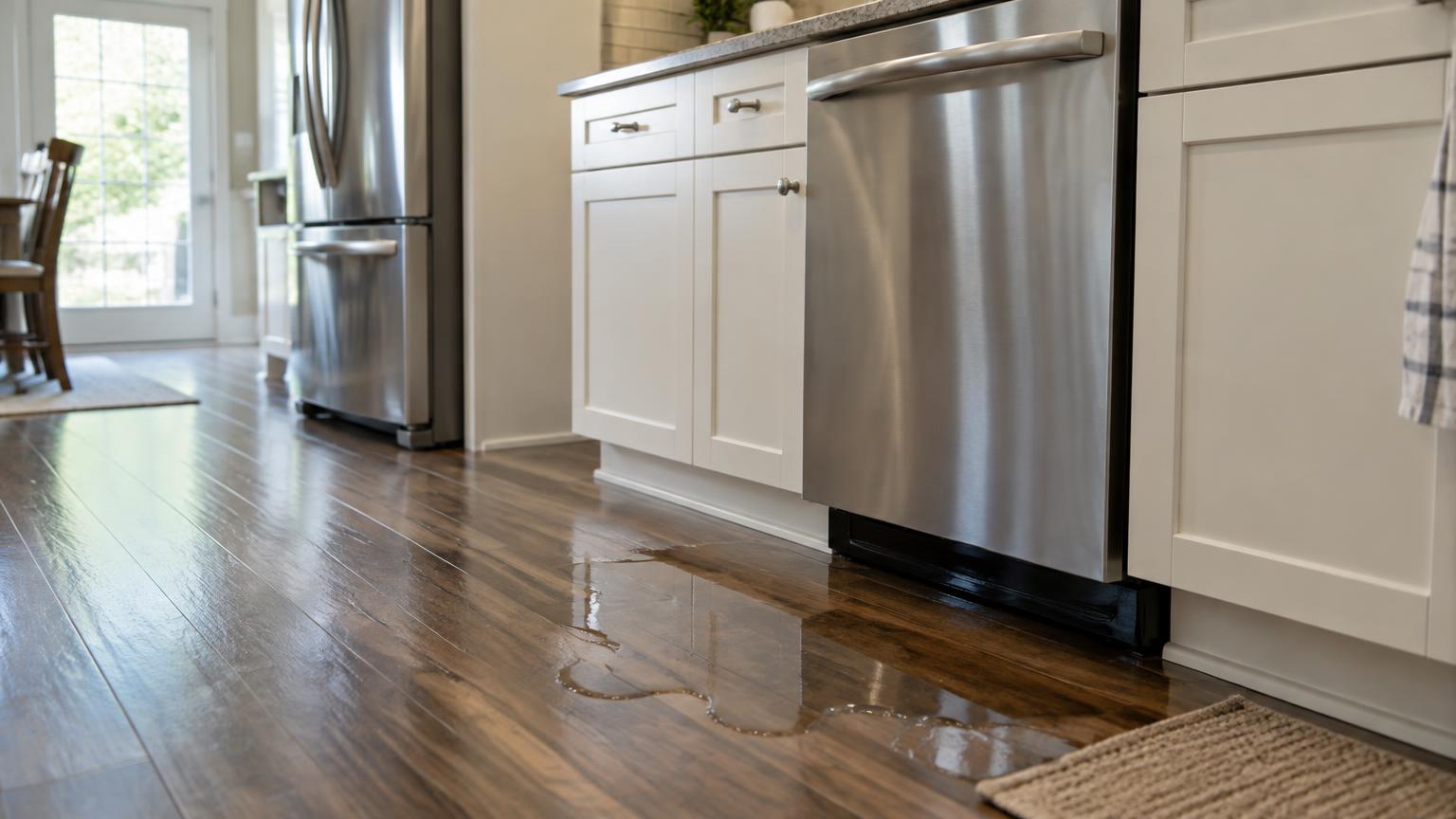
Home damage is stressful enough.
Then insurance gets involved.
For many homeowners, that is where the process starts to feel confusing. There are adjusters, estimates, photos, approvals, mitigation, repair scopes, supplements, and construction timelines.
If you are dealing with water damage, fire damage, or another covered loss, it helps to understand how insurance restoration usually works.
Start With Safety and Documentation
The first priority is always safety.
If there is active water, electrical concern, fire damage, smoke damage, or structural damage, do not put yourself at risk. Once the immediate danger is handled, documentation becomes important.
Take photos. Save receipts. Write down when the damage happened and what steps you took.
This can help later when the insurance company reviews the claim.

Mitigation Comes Before Reconstruction
Mitigation and reconstruction are not the same thing.
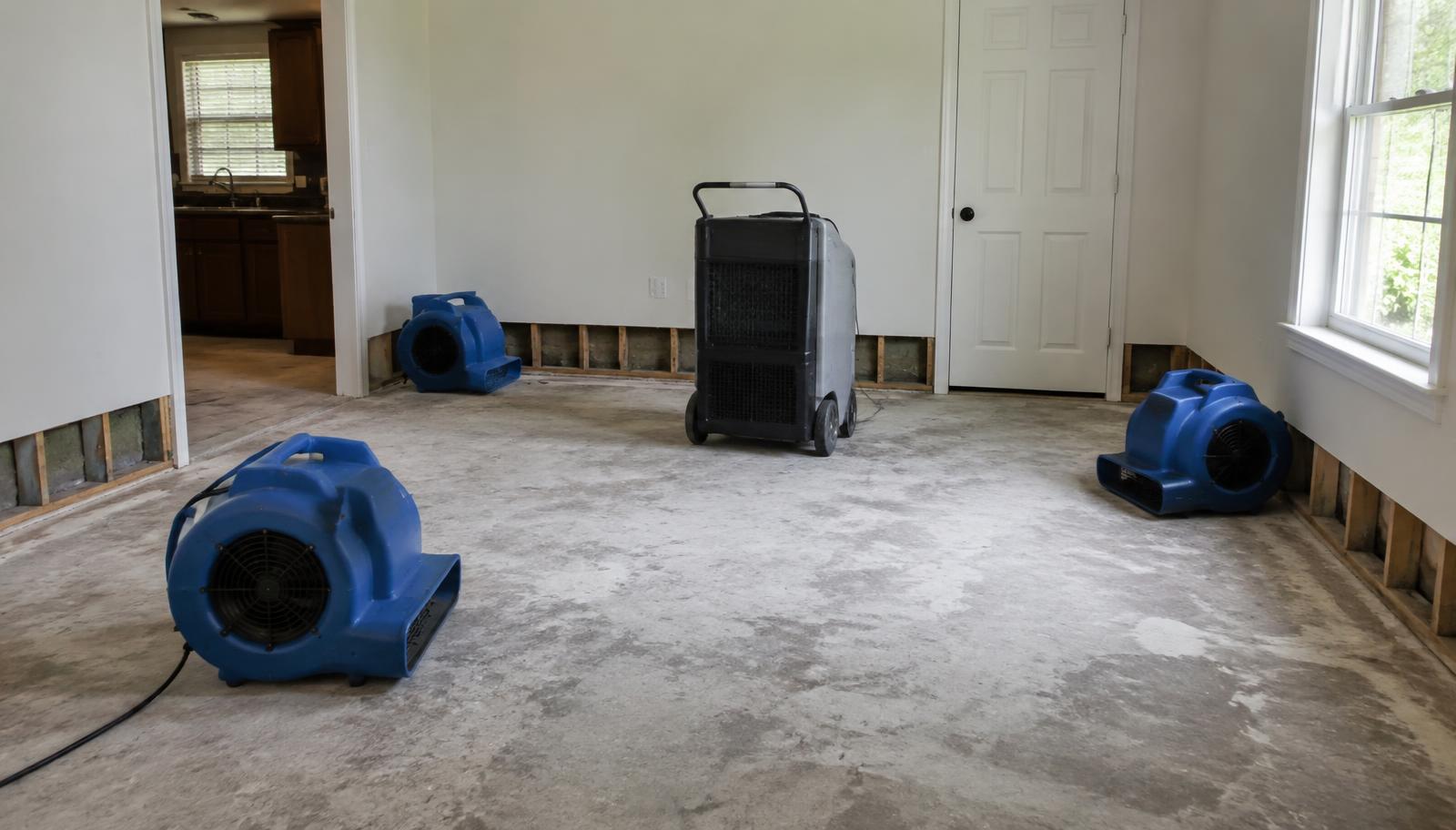
Mitigation is about stopping the damage from getting worse. That may include drying wet materials, removing damaged items, securing the home, cleaning soot, or preventing additional moisture problems.
Reconstruction comes later.
That is when damaged drywall, flooring, cabinets, trim, paint, and other materials are repaired or replaced.
Insurance Estimates May Not Include Everything at First
This surprises a lot of homeowners.
The first insurance estimate may not always include the full real-world repair scope. Sometimes damage is hidden until materials are removed. Sometimes code requirements, measurements, or needed repairs are missing.
That does not automatically mean anyone did something wrong.
It means the scope may need to be reviewed and documented clearly.
What Is a Supplement?
A supplement is an additional request submitted to insurance when something was missed, underestimated, or discovered later.
This is common in insurance restoration.
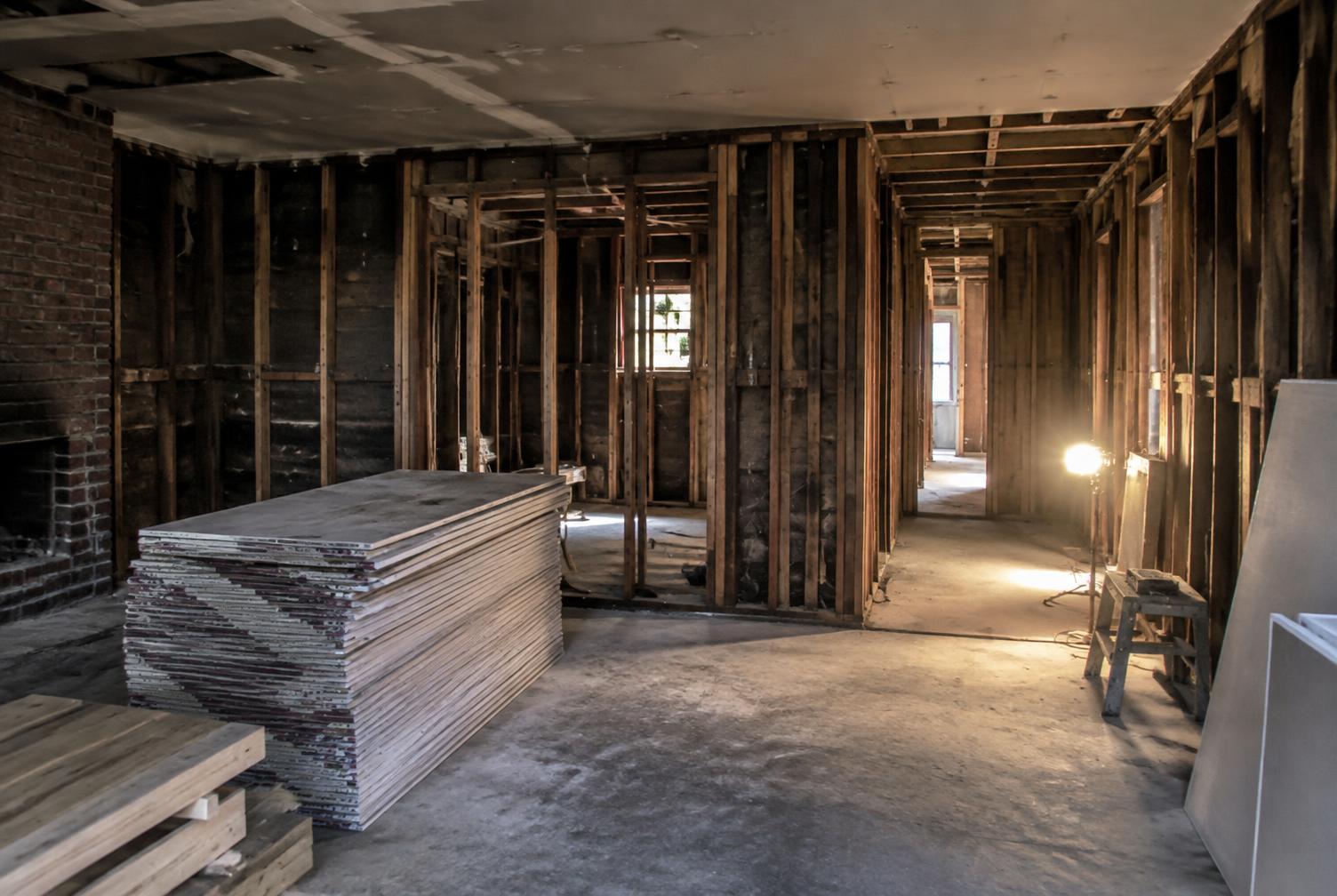
For example, once demolition begins, there may be wet insulation, damaged framing, smoke-affected materials, or repairs that were not visible during the first inspection.
Integrity Construction & Restoration helps homeowners understand the construction side of the scope so repairs are not based only on what was visible at first glance.
You Can Choose Your Own Contractor
Homeowners often do not realize they can choose their own contractor for insurance repairs.
You are not always required to use the insurance company’s preferred contractor. It is important to choose a team you trust, especially when the repair affects major parts of your home.
A good restoration contractor should communicate clearly, document the scope, and help explain what work is needed.
Fire and Water Damage Can Spread
Damage is not always limited to the obvious area.
Water can move under flooring, behind cabinets, into drywall, and through ceilings. Smoke can travel through rooms, hallways, ductwork, and wall cavities.
That is why a full assessment matters.
A small visible problem can sometimes point to a larger repair need.
Insurance Restoration Needs a Clear Plan
Insurance restoration can feel overwhelming, but the process becomes easier when the scope is clear.
Start with safety. Document the damage. Understand mitigation. Review the repair estimate carefully. Work with a contractor who can help explain what needs to happen next.
Integrity Construction & Restoration helps Northern Colorado homeowners with fire damage, water damage, and insurance-related reconstruction with clear communication and quality workmanship.