Almost every homeowner who calls us after a leak asks the same question first: what is this going to cost? The honest answer is that water damage pricing depends on three things — how much water, what kind of water, and how long it sat before anyone found it.
Below are the real ranges we see on Northern Colorado projects in Fort Collins, Greeley, Loveland, and Windsor, plus what usually ends up on the insurance claim versus out of pocket.
Typical Water Damage Restoration Cost Ranges
These figures cover mitigation (extraction and drying) plus the reconstruction needed to put the home back together.
- Small contained leak, one room, caught quickly: $1,500 – $4,000
- Bathroom or kitchen leak with cabinet and flooring damage: $4,000 – $10,000
- Finished basement flood: $8,000 – $25,000+
- Multi-level loss from a burst supply line: $15,000 – $50,000+
- Sewer backup (Category 3) requiring material removal: $7,000 – $30,000+
Why the Category of Water Changes the Price
Restoration pricing follows industry water categories, and the jump between them is significant.
- Category 1 — clean water from a supply line or water heater. Most materials can be dried in place, which keeps cost lowest.
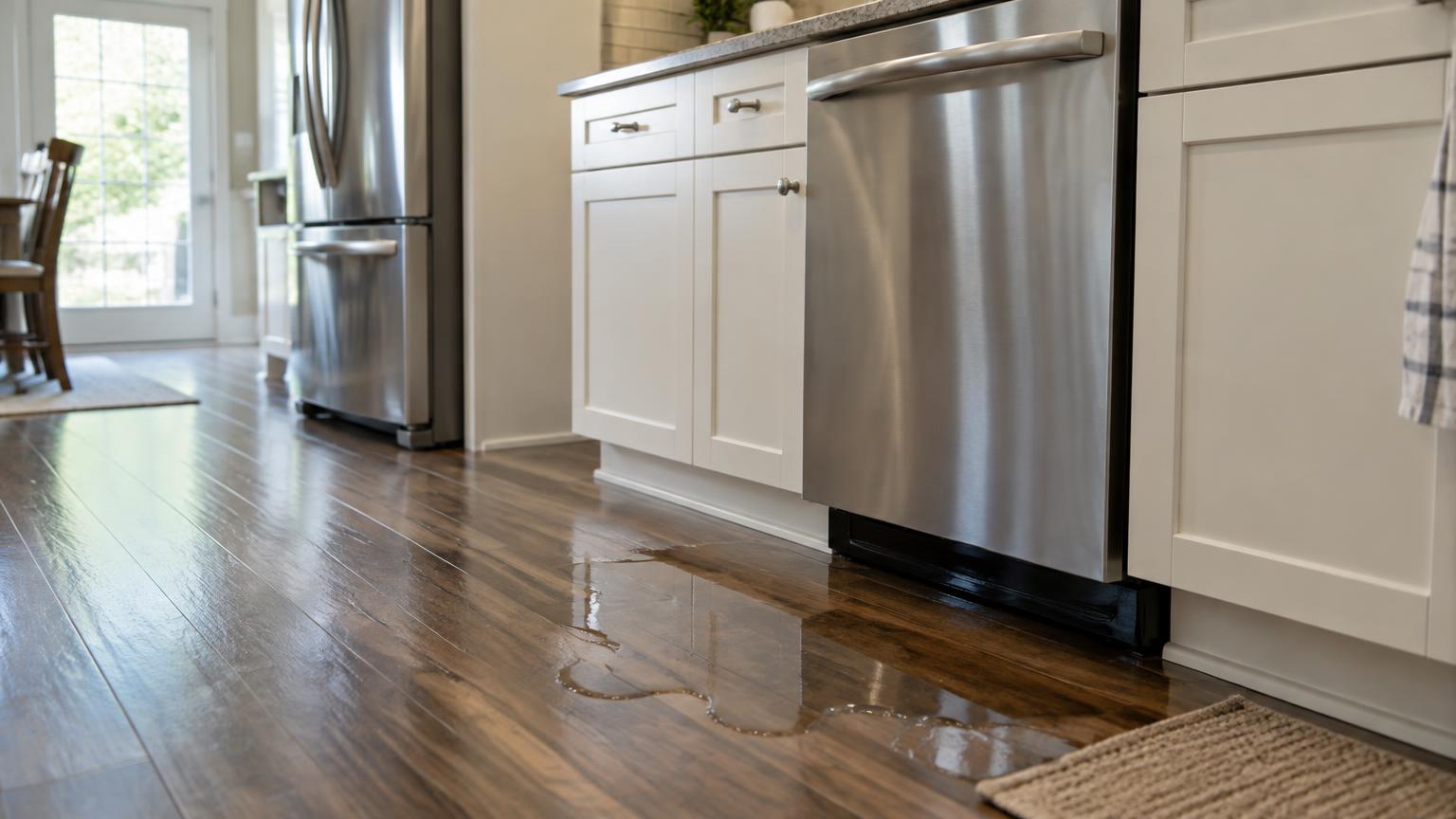
- Category 2 — gray water from appliances, washing machines, or dishwashers. Carpet pad and some drywall usually come out.
- Category 3 — black water from sewer backups or ground flooding. Porous materials must be removed and the area sanitized, which roughly doubles the labor.
What Drives the Cost Up in Colorado Homes
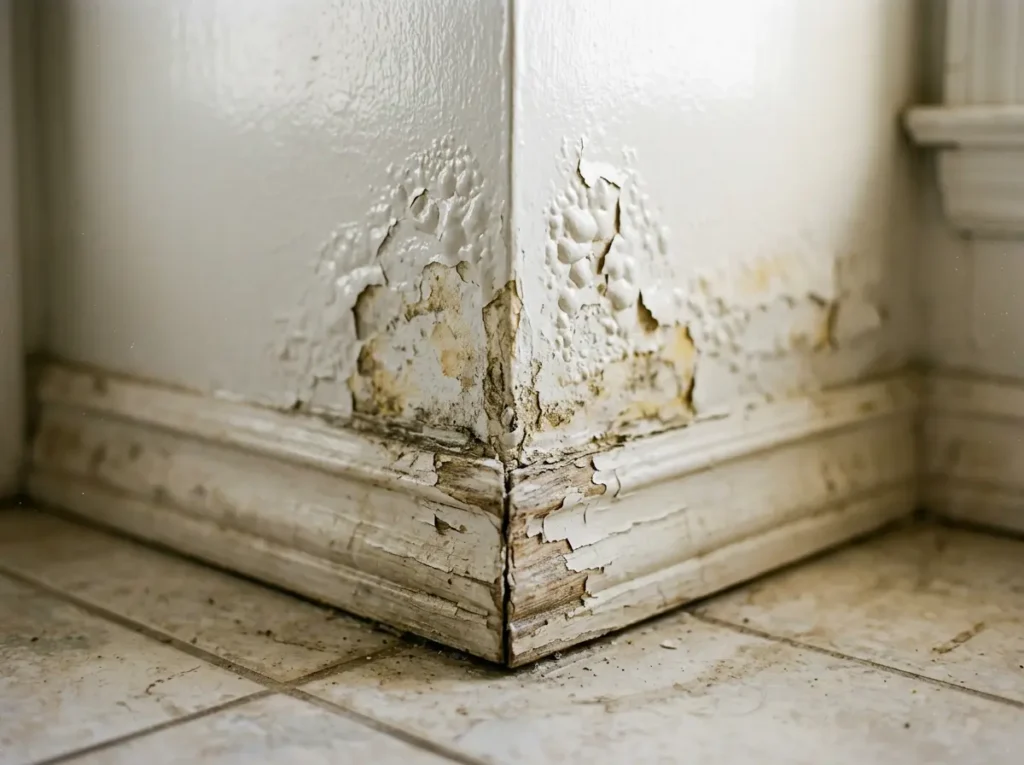
- Time. Mold can begin forming within 24 to 48 hours, and once it does, scope expands.
- Finished basements. Drywall, carpet, baseboard, and cabinetry all sit at the lowest point in the house.
- Hardwood flooring. Solid hardwood often can't be dried flat and needs replacement plus refinishing to blend.
- Winter pipe bursts. Freeze losses usually damage wall cavities and insulation, not just the surface.
- Custom cabinetry and tile. Matching an existing kitchen or bath costs more than a builder-grade replacement.
A Real Northern Colorado Example
A Greeley homeowner's water heater failed in a finished basement utility closet overnight. Roughly 600 square feet of carpet, pad, baseboard, and the lower two feet of drywall were affected, along with one bathroom vanity.
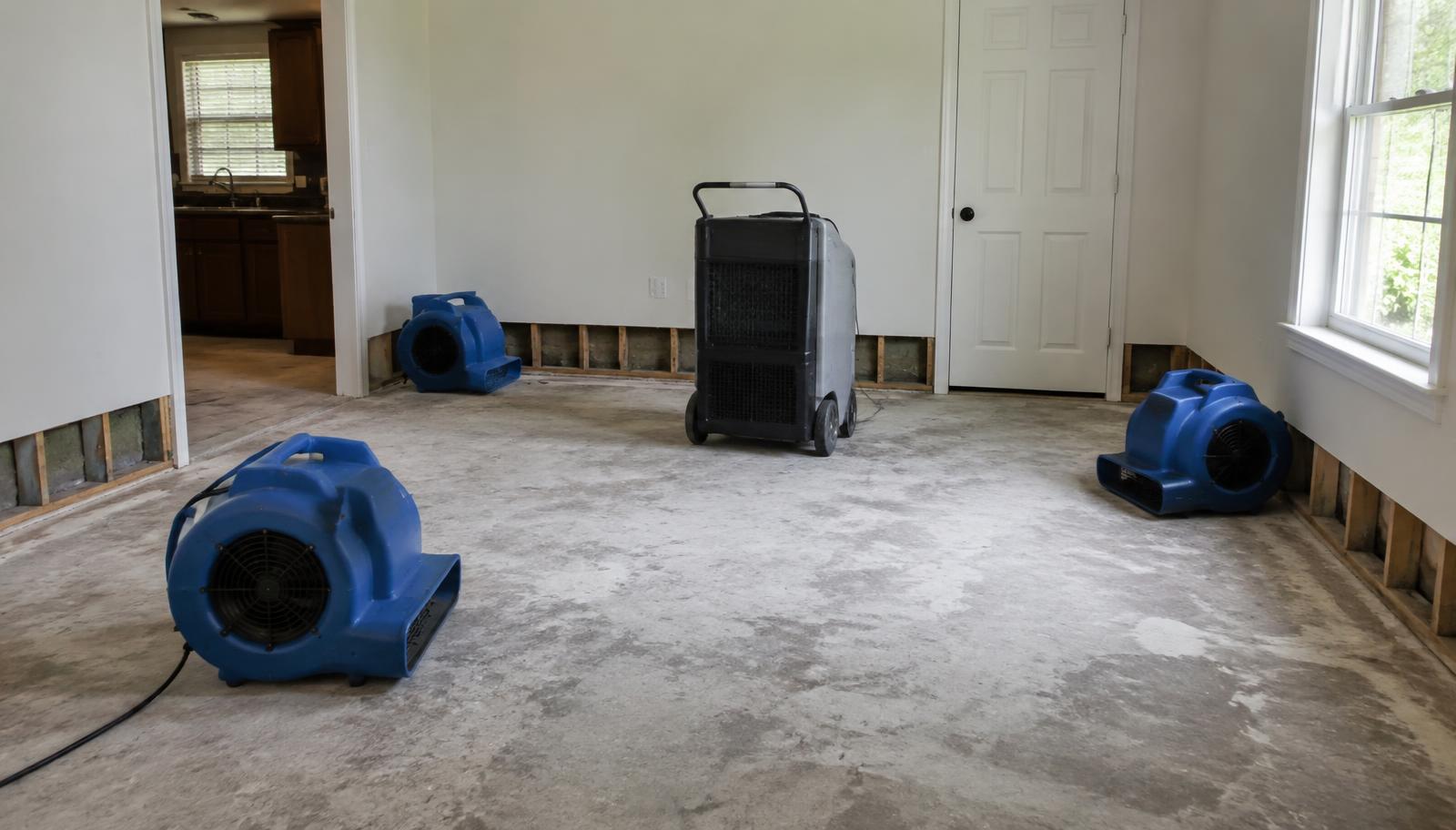
- Extraction, air movers, and dehumidification (4 days): $2,800
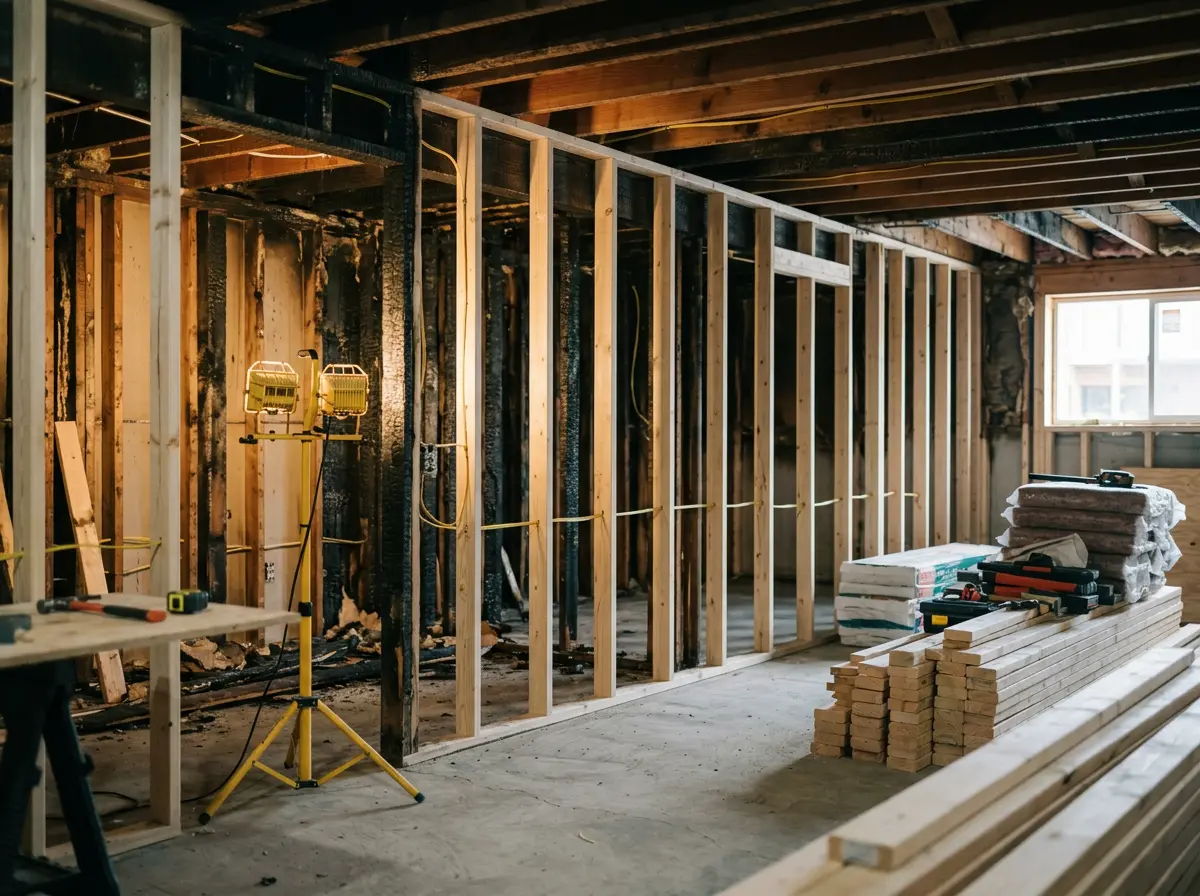
- Demolition and disposal: $1,400
- Drywall, texture, and paint: $3,600
- Flooring and baseboard replacement: $4,200
- Vanity, plumbing reconnect, and trim: $1,900
- Project total: roughly $13,900 — of which the insurance claim covered all but the deductible
What Insurance Usually Covers
Standard Colorado homeowners policies cover sudden and accidental water damage — burst pipes, appliance failures, water heater ruptures. Gradual leaks, seepage, and surface flooding are typically excluded unless you carry additional coverage. Sewer and drain backup is usually an add-on endorsement, and it's an inexpensive one worth checking.
The single biggest factor in what gets paid is documentation. Moisture readings, daily drying logs, and photos of every affected assembly are what turn a disputed estimate into an approved one.
How to Keep the Cost Down
- Shut off the water at the main immediately.
- Call a restoration contractor before the water sits overnight.
- Photograph everything before anything is moved or removed.
- Open the claim the same day.
- Use one contractor for mitigation and reconstruction so nothing falls between two scopes.
Get a Written Scope Before Work Starts
We give Northern Colorado homeowners a line-item scope before demolition begins, and we work directly with your adjuster on the claim. If you have active water damage, call (970) 889-0300 — the first few hours make the biggest difference to the final number.
Water Damage Restoration
Planning a project in Greeley, Fort Collins, Loveland, or Windsor? See how we handle it from start to finish.
See Water Damage Restoration