
A leaking toilet may seam like a minor inconvenience, but over time, even a small leak can lead to serious damage, costly repairs, and potential health hazards. Understanding why and how your toilet leaks and how to fix or prevent them can save you money and protect your home.
Common Causes of Toilet Leaks
Toilets can leak for several reasons, including:
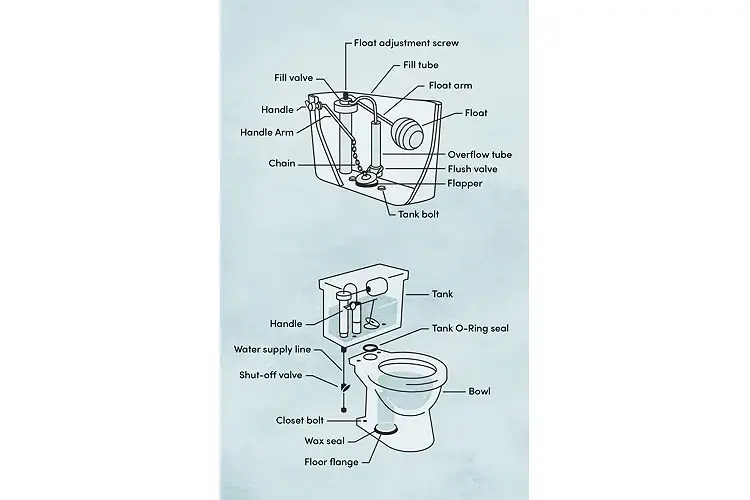
- Worn-out Wax Ring: The wax ring at the base of the toilet creates a watertight seal between the toilet and the floor. If it deteriorates, water can seep out, causing damage to the flooring and subfloor.
Replacement Cost: $50 – $150
- Cracked Tank or Bowl: Hairline cracks in the porcelain can slowly leak water, leading to unnoticed moisture buildup.
Repair/Replacement Cost: $100 – $160
- Faulty Fill Valve or Flapper: A malfunctioning fill valve can cause water to continuously flow into the bowl, resulting in water waste and potential overflow.
Replacement Cost: $20 – $80
- Loose or Damaged Supply Line: The water supply line connecting the toilet to the wall can develop leaks due to wear, improper instillation, or damage.
Replacement: $10 – $50
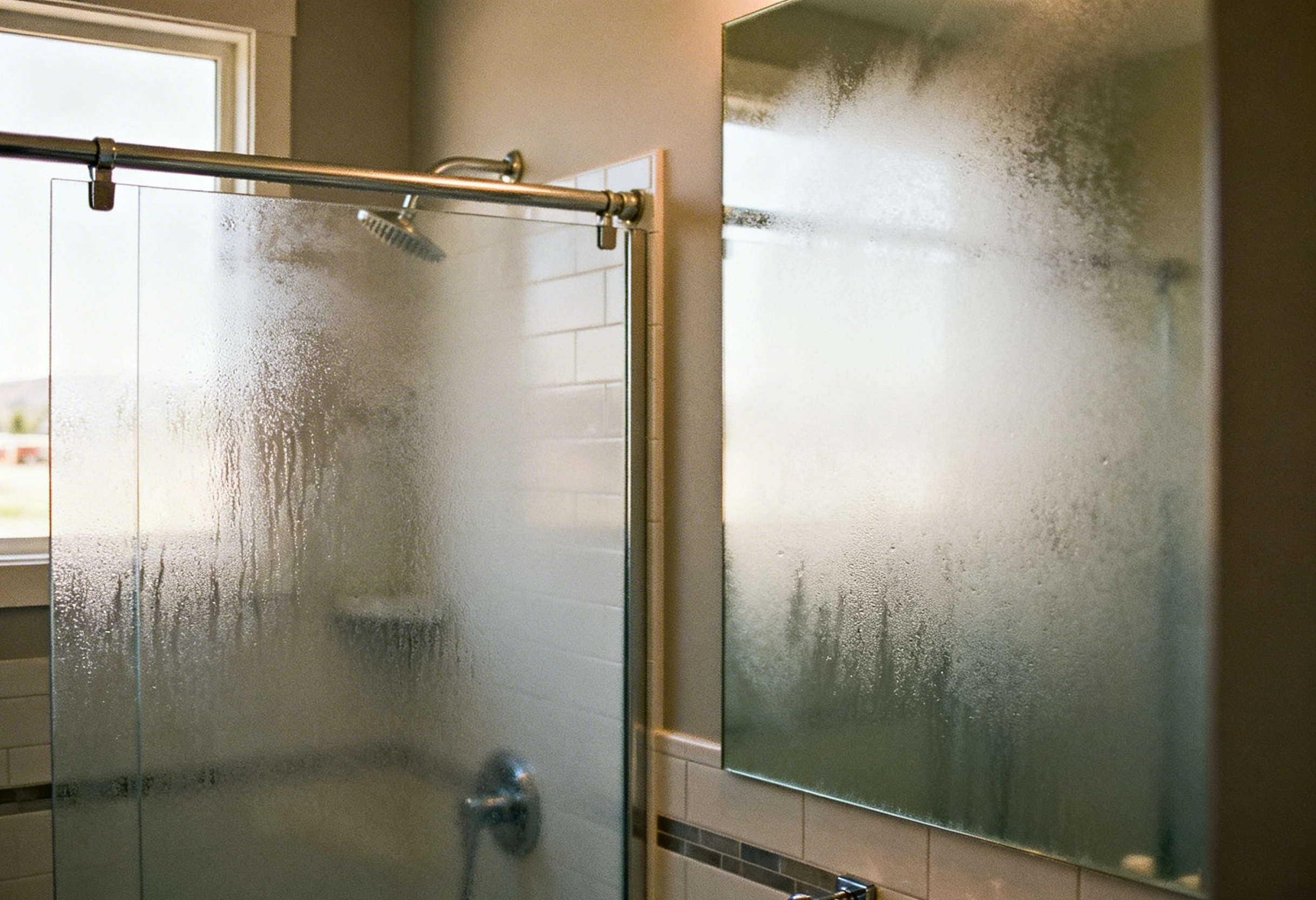
- Condensation (Sweating Toilet): Excess humidity in your bathroom can cause condensation to collect on the outside of the toilet tank, leading to pooling water and potential mold growth.
Prevention Cost: $20 – $100 (for instillation kits or dehumidifiers)
Understanding Water Damage: Cat 1, Cat 2, Cat 3
Not all water damage is the same. Depending on the source of the leak, the damage can range from minor inconvenience to sever containment risks.
Category 1 (Clean Water)
- Originates from a sanitary source, such as a supply line leak or an over flowing tank with clean water.
- Minimal risk to health, but prolonged exposure can lead to mold growth and structural damage.
- Fix: If caught early, simply drying the area and replacing faulty components can resolve the issue.
- Cleanup Cost: $100 – $500
Category 2 (Gray Water)
- Water that may contain contaminants, such as water from a back-up bowl (without solid waste) or a failed sump pump.
- Health risk increase, as it can contain bacteria and chemicals.
- Fix: Requires through cleaning, disinfection, and possible removal of affected materials like flooring or drywall.
- Cleanup Cost: $500 – $2,000
Category 3 (Black Water)
- The most hazardous type, containing sewage, bacteria, and other harmful contaminants.
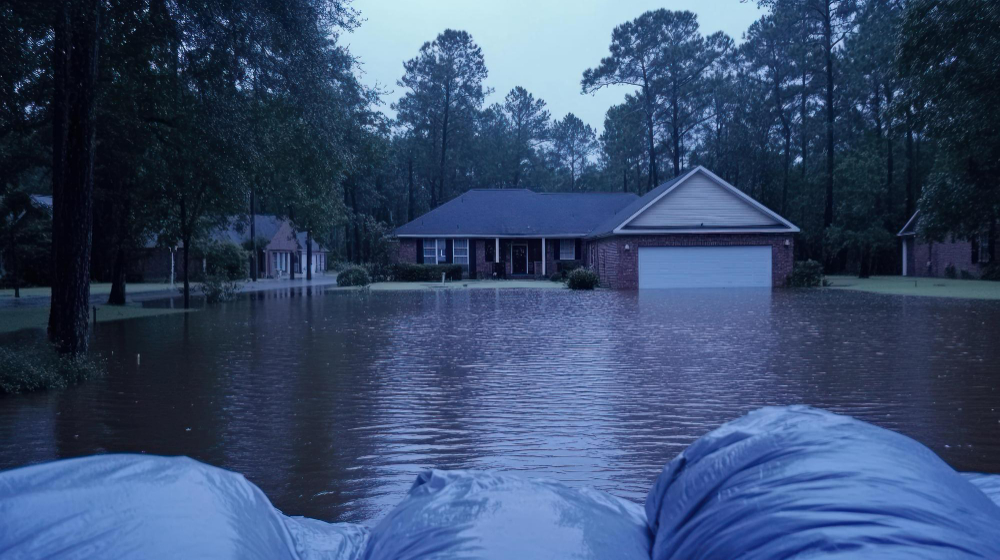
- Typically results from a sewage back-up, a toilet overflow with solid waste, or floodwater contamination.
- Fix: Requires a professional clean up, disinfection, and often extensive repairs to remove contaminated materials.
Cleanup Cost: $2,000 – 10,000+
Signs of Subfloor Damage
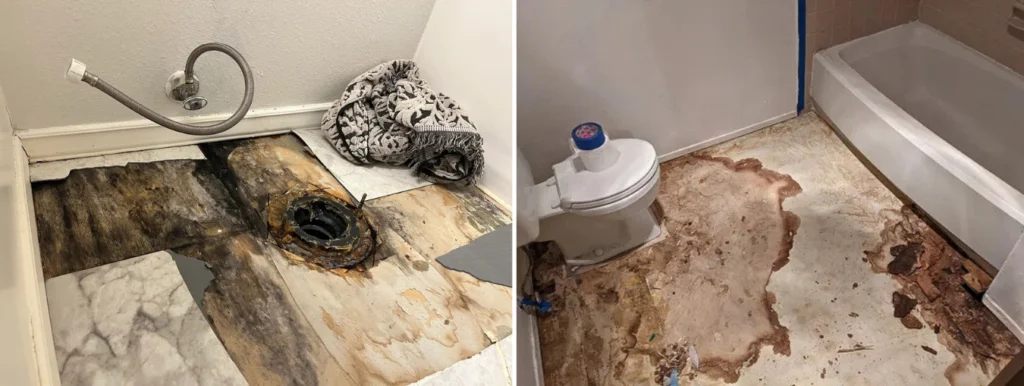
Subfloor damage occurs when water weeps beneath your flooring and compromises the structural layer that supports it. The subfloor is typically made of plywood or oriented strand board (OSB) and sits between your flooring and the joists beneath. When it absorbs moisture from a leaking toilet or other sources, it can warp, rot, or grow mold, weakening the stability of your floor and potentially lead to costly repairs. Signs of subfloor damage include:
- Soft or spongy Floor
- Musty odors
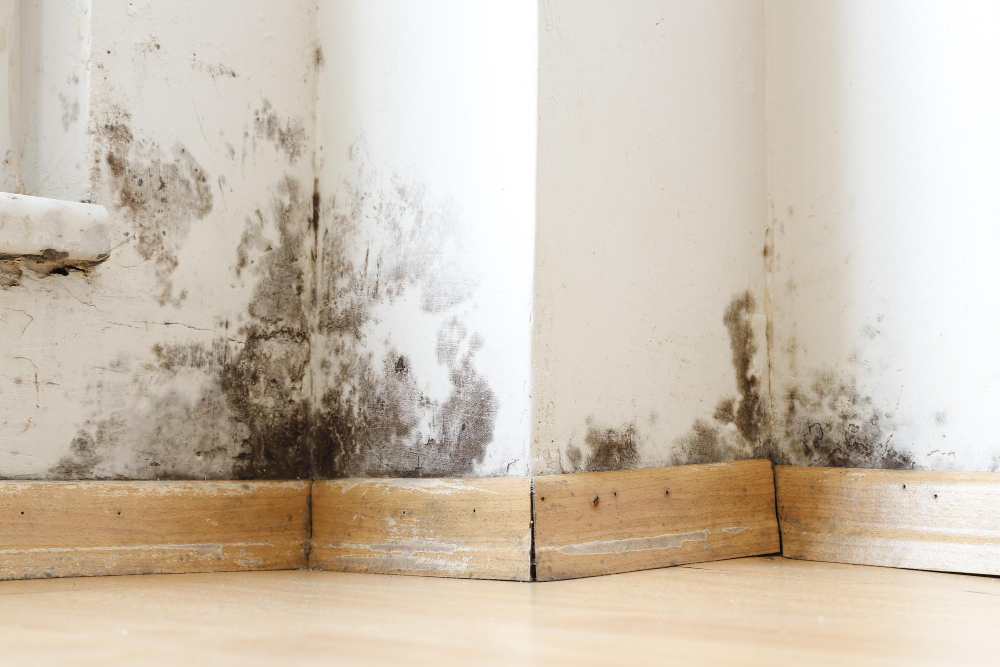
- Visible mold or mildew
- Warped or buckled flooring
- Ceiling stains below an upstairs toilet
Preventing and Fixing Toilet Leaks
- Check the Wax Ring: If you notice water pooling around the base of your toilet, the wax ring may need replacing. Wax rings have a life of 20 – 30 years, but can degrade faster depending on improper instillation or excessive moisture exposure. Depending on when the house or building was built or a remodel has taken place, you’ll want to know how long you have before a replacement is needed.
- Check for Loose Bolts: Tightening toilet bolts can sometimes stop leaks, Be careful not to overtighten, as this can crack the percaline.
- Inspect the Tank and Bowl for Cracks: small cracks can turn into larger ones over time.
- Test the Flapper and Fill Valve: Drop some food coloring into the tank. If the color appears in the bowl without flushing, the flapper may be faulty and need replacement.
- Tighten Supply Line Connections: A loose or deteriorating water supply line can cause slow leaks.
- Water Bill Abnormalities: A sudden increase in your water bill may indicate a hidden leak.
- Control Humidity Levels: Using a bathroom fan or dehumidifier can help prevent condensation related water buildup. (For those who love those hot showers or baths)
When To Call a Professional
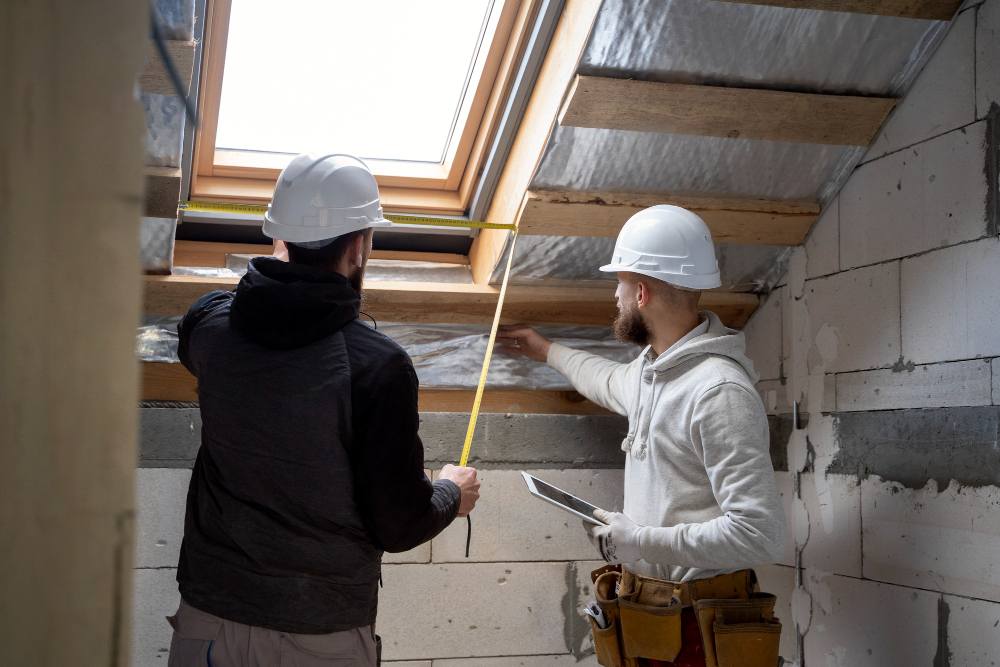
If your leak falls under Category 2 or 3, it’s best to call a professional contractor right away. They can assess the extent of the damage, recommend necessary repairs, and ensure proper cleanup to prevent mold or structural issues. Even if your leak is Category 1, calling a professional may still be the best choice. Water can seep into flooring, subfloor, and walls, leading to hidden damage that isn’t visible to the naked eye. Professionals have specialized equipment to detect moisture buildup and assess the full extent of the damage. Additionally, if you notice stains on ceilings or drywall, especially from a toilet on a upper floor, this could indicate long-term leakage that requires immediate attention. A professional can determine whether the damage extends beyond what’s visible and provide the necessary repairs to prevent future problems.
A leaking Toilet isn’t just an inconvenience-it’s a potential hazard to your home and health. By understanding the causes, risks, and proper maintenance steps, you can avoid costly repairs and keep your bathroom in top shape. If you suspect a major leak, don’t wait-address the problem before it turns into a bigger issue!
For expert repair services and home restoration, Integrity Construction Company is here to help. Contact us today for a consultation!