
When you’re shopping for your first home, it’s easy to get swept up by the big backyard, the updated kitchen, or the number of bathrooms. But beneath the surface, there are critical features that can cost you thousands—or create serious headaches—if overlooked.
At Integrity Construction and Restoration, we’ve walked through enough renovations and repairs to know what really matters behind the scenes. Inspections are usually part of the process when buying a home, but before you get that far in the process, it’s good to know what tend to be problems with houses. So whether you’re touring homes this weekend or submitting an offer make sure to look for these things.
Are the Egress Windows Up to Code?

Egress windows serve a crucial purpose that extends far beyond merely allowing natural light to enter a space; they are essential safety exits designed to provide an escape route in the event of a fire or other emergencies. In many older homes, particularly those constructed before modern building codes were established, basement bedrooms may lack windows that meet current safety standards. They might not have egress windows, which can lead to costly renovations. Homeowners may find themselves facing the daunting task of excavating new wells to install these necessary windows. This process can be labor-intensive and requires careful planning to ensure that the installation is executed correctly. Furthermore, it is crucial to consider the surrounding landscape; proper ground leveling must be undertaken outside the home to prevent potential flooding and leaks, which can result from improper drainage.
Check the Age of the Water Heater

A water heater typically has a lifespan ranging from 8 to 12 years, depending on various factors such as the model, usage, and maintenance practices. If you find yourself in a situation where the water heater is older and has not been subjected to regular maintenance, you may want to consider asking for a replacement. It is also beneficial for homeowners to familiarize themselves with the water heater’s maintenance history. You can do this by checking the sticker or label typically found on the unit. This sticker usually contains crucial information, including dates of past maintenance, repairs, or even the original purchase date. By reviewing this information, you can gain valuable insights into how well the previous owners cared for the water heater and, by extension, the overall condition of the home. If you notice that the water heater is approaching or has surpassed the 12-year mark, it may be wise to budget for a replacement, or again ask the current owners to replace before closing.
Ask for HVAC & AC Maintenance Records

If the seller can’t provide a basic maintenance log, it could be a significant red flag that warrants further investigation. You will want to know the history of repairs and servicing done on the property, particularly for essential systems such as heating, ventilation, and air conditioning (HVAC). Without this documentation, it raises concerns about the overall care and upkeep of the home, potentially indicating neglect or unresolved issues that could lead to costly repairs in the future. When touring the home, it’s smart to be vigilant and look for various signs that may indicate underlying problems. One of the most telling indicators is the presence of rust, which can occur on metal components of the HVAC system or plumbing fixtures. Rust not only signifies age and wear but can also suggest moisture issues that could lead to more severe problems, also pay attention to any strange smells that may be present during your visit. Unpleasant or unusual odors could be a sign of mold, mildew or inconsistent airflow; if certain rooms feel stuffy or do not receive adequate heating or cooling, it could indicate blockages in ductwork. The cost of replacing an HVAC system can be substantial, often running into thousands or tens or thousands of dollars. Therefore, being proactive in identifying these potential issues during the home tour can save you not only money but also the stress and inconvenience that comes with unexpected repairs and health concerns associated with poor air quality.
Scan for Water Damage or Past Flooding

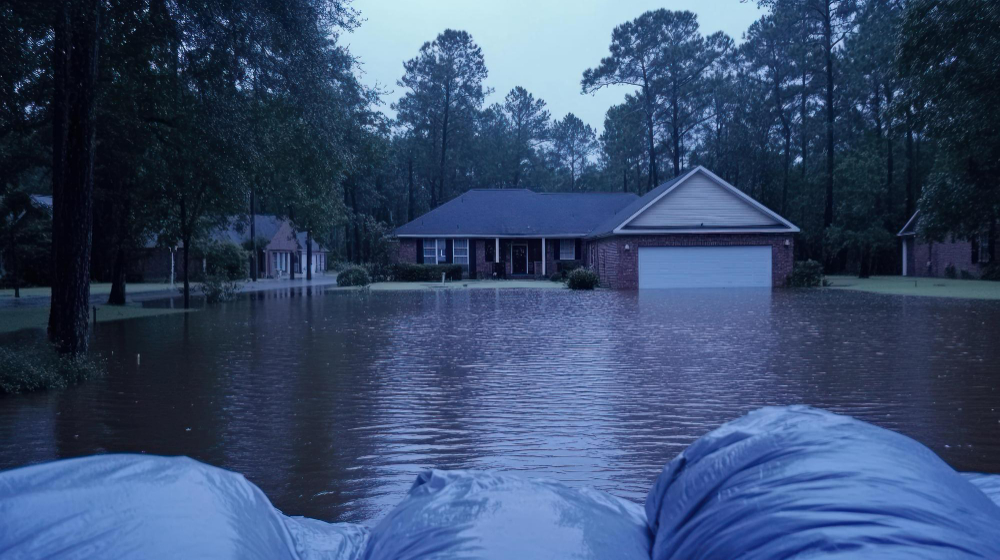
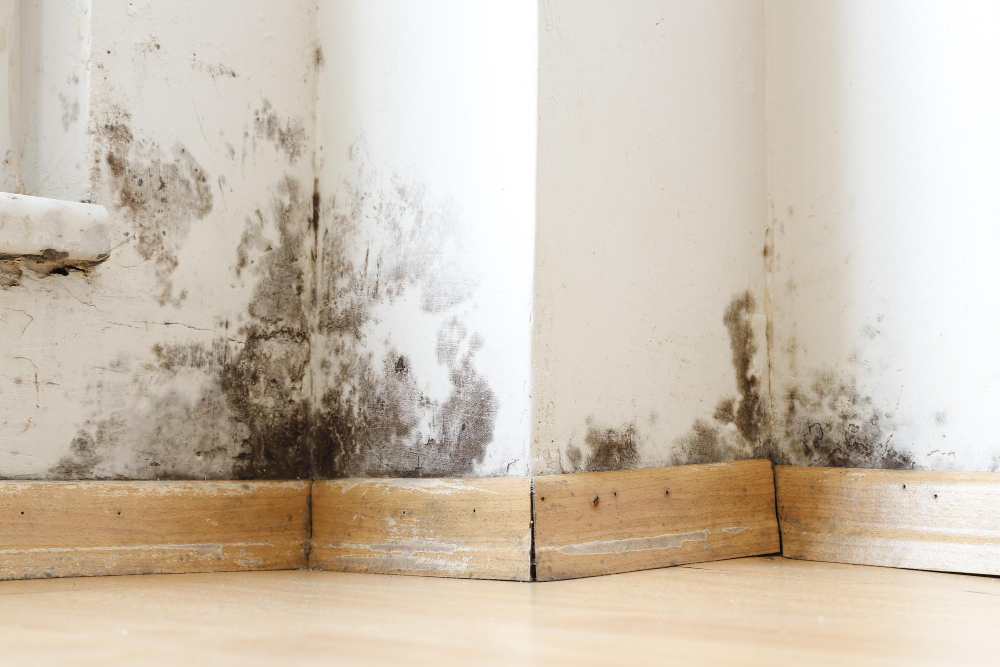
Even subtle water stains in the basement or on ceilings may indicate an unresolved issue that requires immediate attention and thorough investigation. These stains, which can often appear as discolored patches or dark spots, can be the first visible signs of moisture intrusion that might suggest underlying problems such as leaks or poor drainage. It is crucial to examine these areas closely, as they may not only point to current issues but also to potential future complications if left unaddressed. Make sure to check under sinks for any previous leaks that may have occurred. It could indicate plumbing issues have occurred in the past. Additionally, keep an eye out for any mold growth in these areas, as mold thrives in damp conditions and can pose serious health risks to occupants. Furthermore, it is essential to inquire whether the home is equipped with a sump pump, especially if it is situated in a region prone to flooding. A sump pump is a critical component in managing groundwater and preventing flooding in basements. Understanding the history of the home in relation to flooding events is vital; ask the current owner if the home has experienced any flooding in the past. This information can provide insights into the effectiveness of the existing drainage systems and whether additional measures are necessary to protect the property from water damage, find out if there is a drainage system in place, proper drainage is essential in preventing water from pooling around the foundation, which can lead to serious structural issues over time.
Pay Attention to Electrical Panels & Outlets

Old electrical systems can pose significant safety hazards and may also incur substantial costs when it comes to upgrading them. It is crucial for potential buyers to educate themselves on important electrical concepts such as ground wiring and Ground Fault Circuit Interrupters (GFCI). Understanding these elements can help you assess the safety and functionality of the electrical system in a home. Ground wiring is essential because it provides a safe path for electricity to return to the ground in the event of a fault. This is particularly important in preventing electrical shocks and ensuring that appliances operate safely. On the other hand, GFCI outlets are designed to protect against electrical shock by shutting off the electrical circuit when they detect an imbalance between the incoming and outgoing current. You see these in kitchens, bathrooms, and outdoor spaces. It is also important to familiarize yourself with the legal requirements and standards that pertain to selling a house. While certain electrical updates may not be legally mandated, neglecting them could lead to complications down the line. A modern, well-labeled panel is a good sign that the electrical system has been maintained and updated. So, if the panel appears old, rusty, or poorly labeled, it may indicate that the entire electrical system is outdated and could require significant investment to bring it up to current safety standards.
Two-prong outlets do not provide a ground connection, which can increase the risk of electrical shock and make it impossible to use modern three-prong plugs safely. In such cases, you may be looking at the necessity of rewiring the home to ensure that it meets current electrical codes and safety standards. This process can be labor-intensive and expensive, so it is wise to consider these factors during the home buying process.
Roof and Gutter Condition

When checking the condition of the roof, it’s crucial to carefully inspect the roofline for any signs of sagging, which may indicate structural issues or water damage. Pay close attention to the condition of the shingles; look for missing or damaged shingles, particularly in areas that are prone to severe weather, such as regions that experience hail seasons. Hail can cause significant damage to roofs, leading to leaks and further deterioration if not addressed promptly.
Additionally, check the gutters that run along the roofline. Ensure that they run the length of the entire house with proper drainage, you don’t want water pooling on the roof or at the base of the houses foundation. When considering the purchase of a home, it is also essential to ask the current owner or the real estate agent about the last time the roof was replaced. If possible, request documentation or paperwork that can verify the date of replacement and the type of materials used.
For instance, when we were in the process of buying our home, we were assured that the roof had been replaced recently. However, after moving in and conducting our own inspection, we discovered that this was not the case, leading to unexpected expenses that could have been avoided with a more thorough investigation.
Foundation Cracks and Sloping Floors

As you walk through the house, take a moment to carefully observe the flooring beneath your feet. Feel for any unevenness or noticeable slopes, which can often be detected by simply walking from one room to another. Pay particular attention to areas where the floor feels higher or lower than expected; these irregularities can be subtle yet significant indicators of underlying issues. Additionally, it is important to check for any creaking or popping sounds that may accompany these uneven surfaces, as they can further suggest structural concerns.
Next, direct your attention to the basement walls, a critical area to inspect when assessing the integrity of a home’s foundation. Look for large cracks that may run vertically or horizontally across the walls. These fractures can vary in size, but larger cracks, particularly those wider than a quarter-inch, can be especially concerning. It’s also wise to note any signs of water damage, such as moisture stains or white residue, which can indicate that water is penetrating the walls due to foundation issues.
Look Past Fresh Paint

Fresh paint can be a red flag when evaluating a property. Sellers often resort to painting over stains, patches, or prior damage in an attempt to enhance the property’s visual appeal and create a more attractive presentation for prospective buyers.
When inspecting a property look closely at various areas where fresh paint may be applied. Pay special attention to the edges of walls, baseboards, and corners, as these are often the spots where imperfections can be most easily concealed. For instance, if you notice that the paint appears to be uneven or if there are visible brush strokes, it may indicate that the work was done hastily or without proper preparation. If you observe a color change or a noticeable difference in the texture of the paint in certain areas, this may also indicate that the seller is attempting to cover up repairs made to fix previous damage, such as water leaks or cracks in the walls.
In Conclusion: The Homeowners Want to Make Money Not Spend it
It sucks to say it, but when people decide to sell their home for whatever reason—whether it’s due to a job relocation, or simply the desire to upgrade or downsize—their primary goal is often to put all of their financial resources into a new home or project rather than investing in the property they are about to sell.
When individuals have lived in a home for an extended period, it is common for certain aspects of the property to be neglected. This neglect can be simple like worn-out fixtures, or ugly carpet but can be a s serious as outdated plumbing, or even structural concerns that may have developed over the years. It is crucial for potential buyers to remain vigilant and not let new pain, updated bath or shiny appliances distract them from the underlying potential issues of the home.
But we understand the crazy-ness that comes with buying a house, we never recommend foregoing the inspection on your home, but things can be missed by inspectors. If you ever find yourself wanting to update your home before you sell, after buying, or just wanting your dream room in your current home, call Integrity Construction and Restoration. Find yourself with unexpected water damage, we specialize in water and fire restoration and we’ll take care of you and your home. Integrity Construction and Restoration is just a phone call away.
Let us help you make a smart, informed decision about your home.