
Smart upgrades, practical planning, and personal touches that add comfort, function, and value.
Finishing your basement is a big opportunity to gain livable square footage in your home, but it’s not as simple as hanging drywall and laying down carpet. Because basements are prone to moisture, dark corners, and layout challenges, planning ahead can make all the difference. Below are the most important things to consider when turning your basement into a functional, inviting, and safe part of your home.
1. Moisture Control Comes First
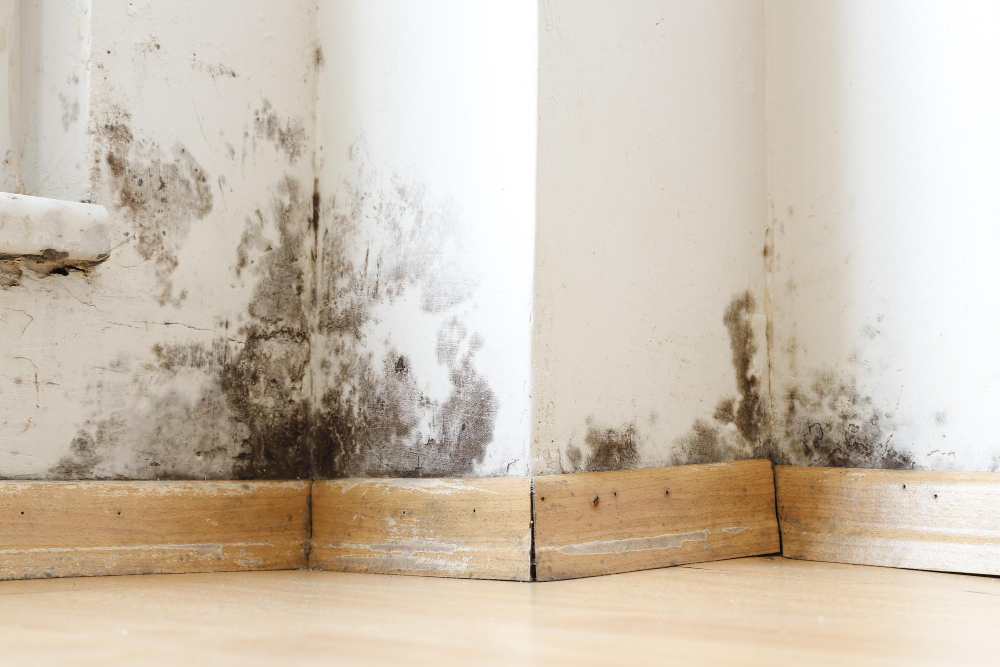
Before you do anything else, address moisture. A dry basement is the foundation (literally) of any successful remodel. This includes sealing concrete, checking for leaks around the foundation, ensuring proper exterior grading, and installing a sump pump or drain system if necessary. Even if your basement seems dry now, heavy rains, melting snow, or a broken pipe can quickly change that.
2. Egress Windows = Safety and Light
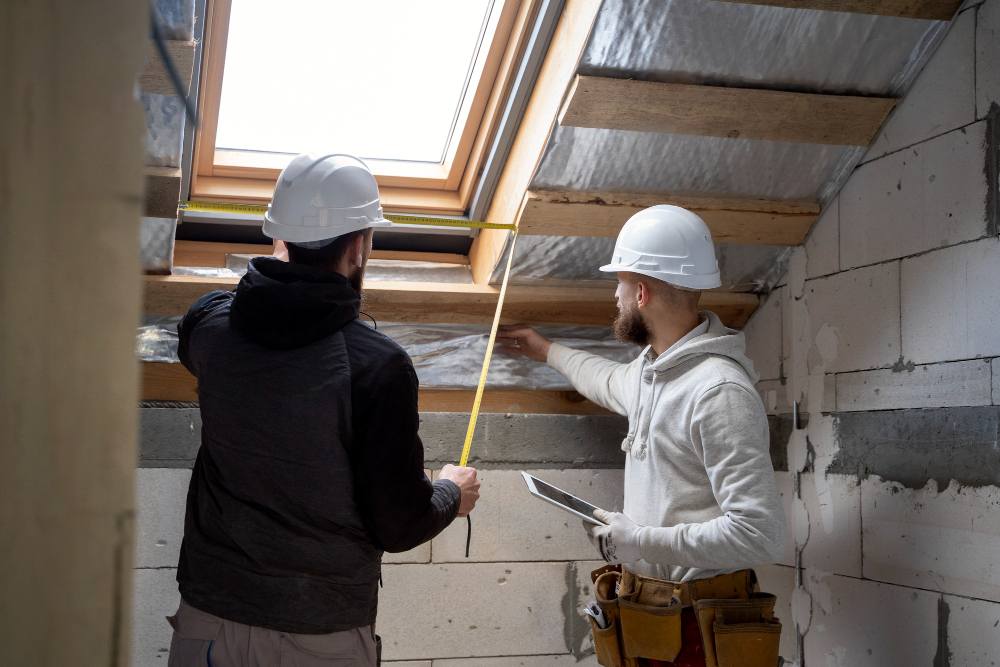
If you plan to include a bedroom in your finished basement, building codes require an egress window. It’s not just about legal compliance—it’s about having a safe exit in case of emergency. Egress windows also bring in much-needed natural light, instantly making a basement feel more like the rest of the home.
3. Plumbing and Utility Considerations
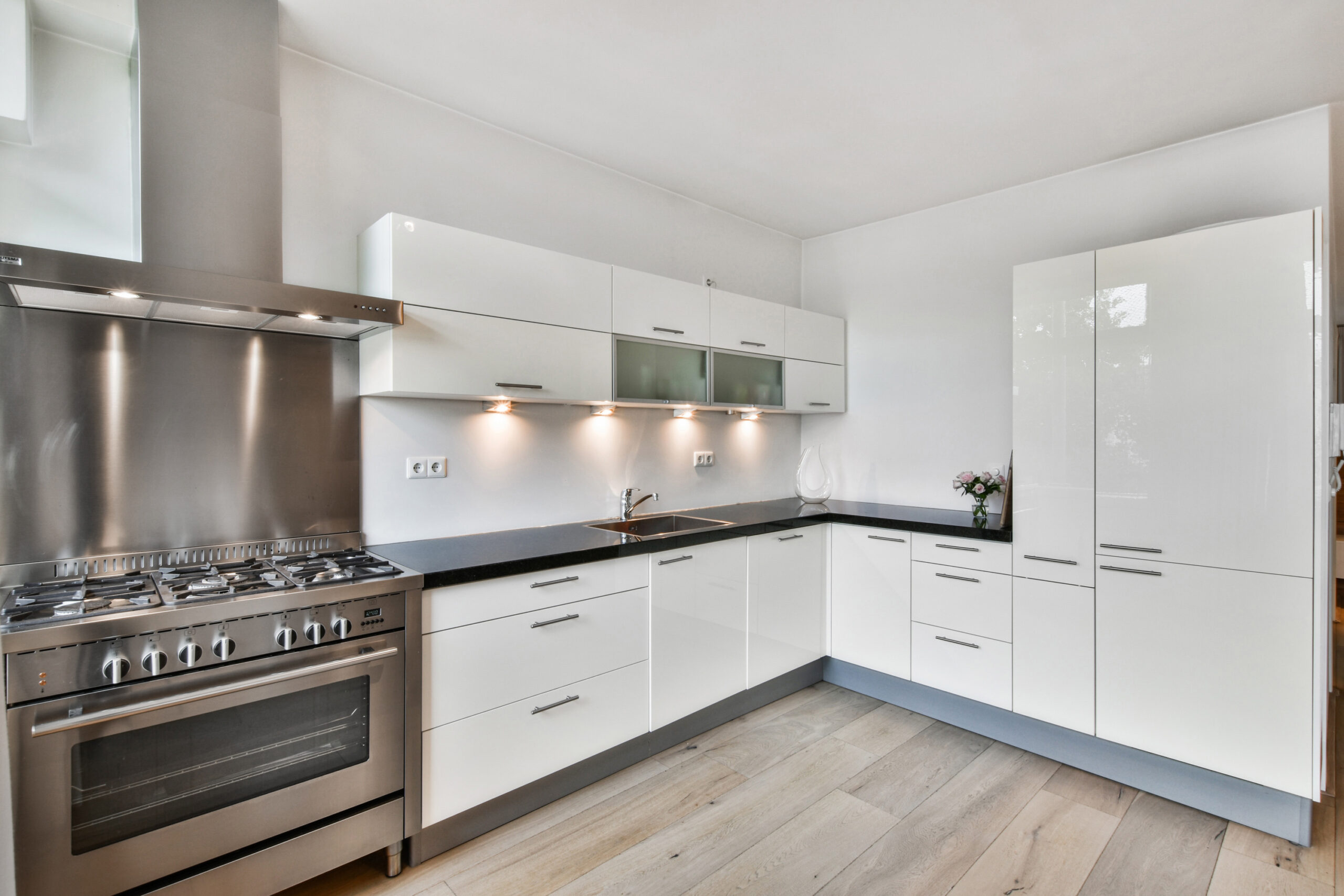
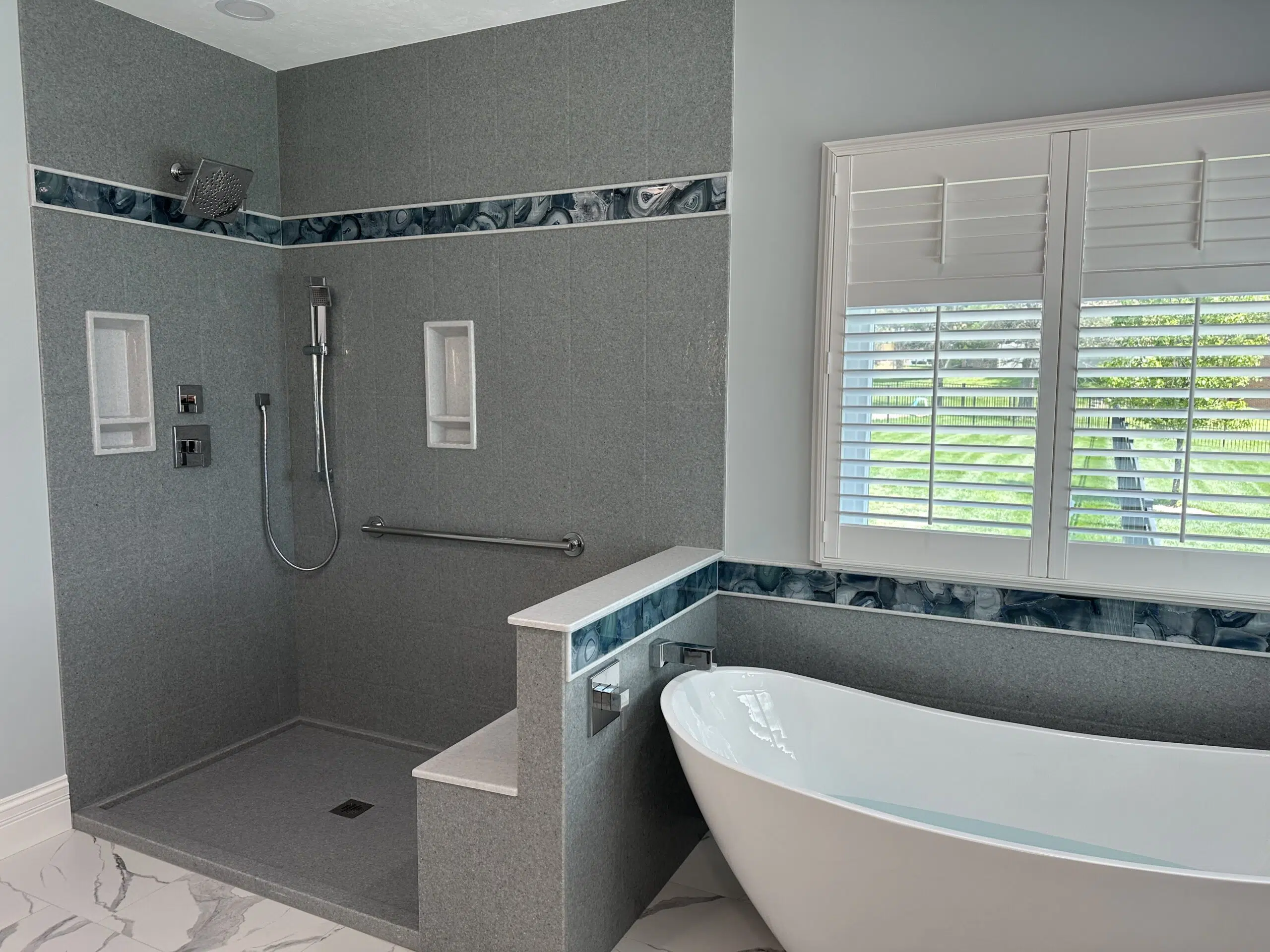
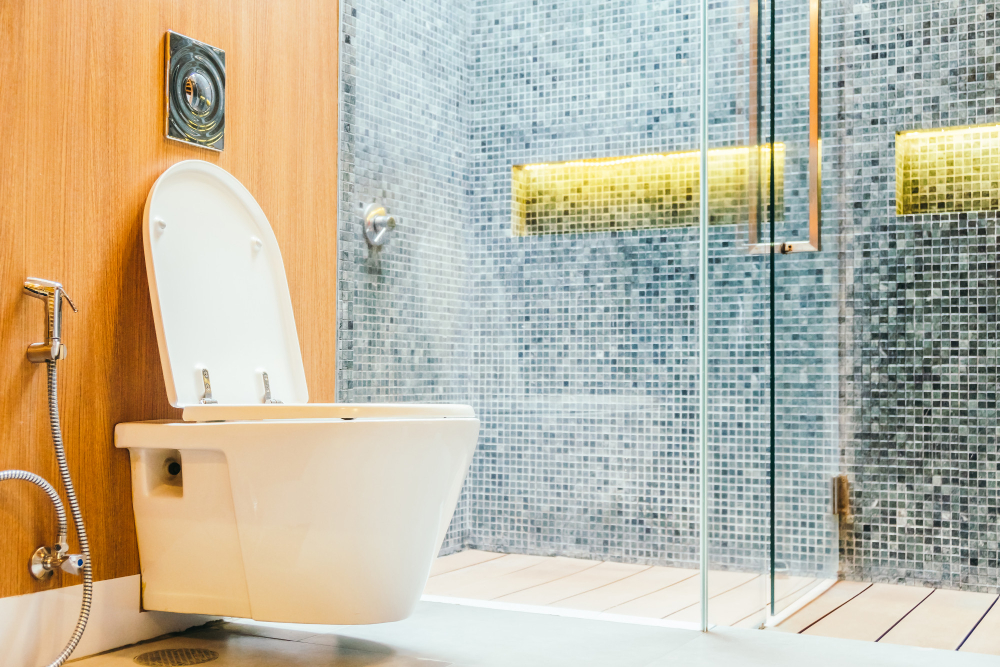
If you plan to install a bathroom, wet bar, laundry room, or even a small kitchen in your basement, consider plumbing access early. Relocating plumbing can be a large expense, so designing around existing lines is often the most cost-effective route. Also think about future needs—like installing drain lines for a washer/dryer setup or even prepping for a mother-in-law suite down the line. If you’re adding an egress or substantial electrical work, consider whether adding a separate entrance to the basement would make sense for convenience or future rental potential.
4. Lighting and Layout
Basements tend to lack natural light, so your lighting plan should be intentional. Bright overhead lighting is key, but you also want to avoid glare on your TV or entertainment space. Dimmable switches can offer both function and ambiance. Be sure to plan your layout around how the space will be used: think of flow, furniture placement, and creating distinct zones for relaxing, working, or playing.
5. Electrical Outlets (and Smart Add-Ons)
Plan for plenty of electrical outlets—more than you think you’ll need. Include outlets with USB ports for modern devices, and consider night-light outlets for stairwells or hallways. Adding three-way switches at both the top and bottom of the stairs (and even for the main living area) makes the space easier and safer to navigate. Smart electrical planning is one of those things you’ll be glad you did later.
6. Don’t Forget the HVAC
Basements tend to stay cooler than the rest of the home. Extending your HVAC system to heat and cool the space evenly is ideal, but if that’s not possible, consider electric baseboard heaters or adding a fireplace to create a cozy atmosphere. A properly climate-controlled basement feels like part of the home—not an afterthought.
7. Flooring that Fits Your Lifestyle
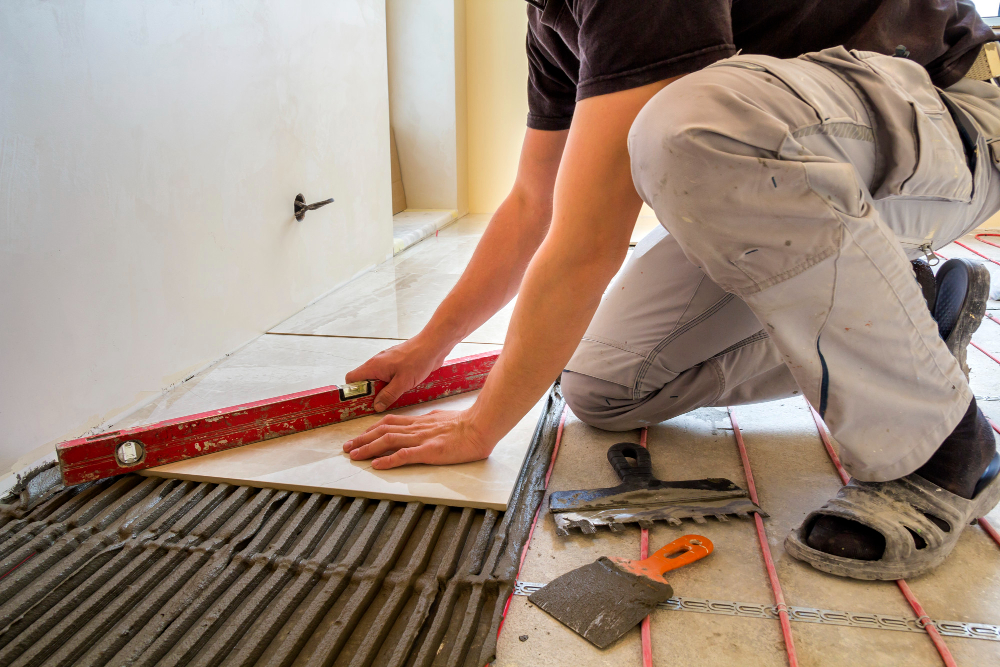
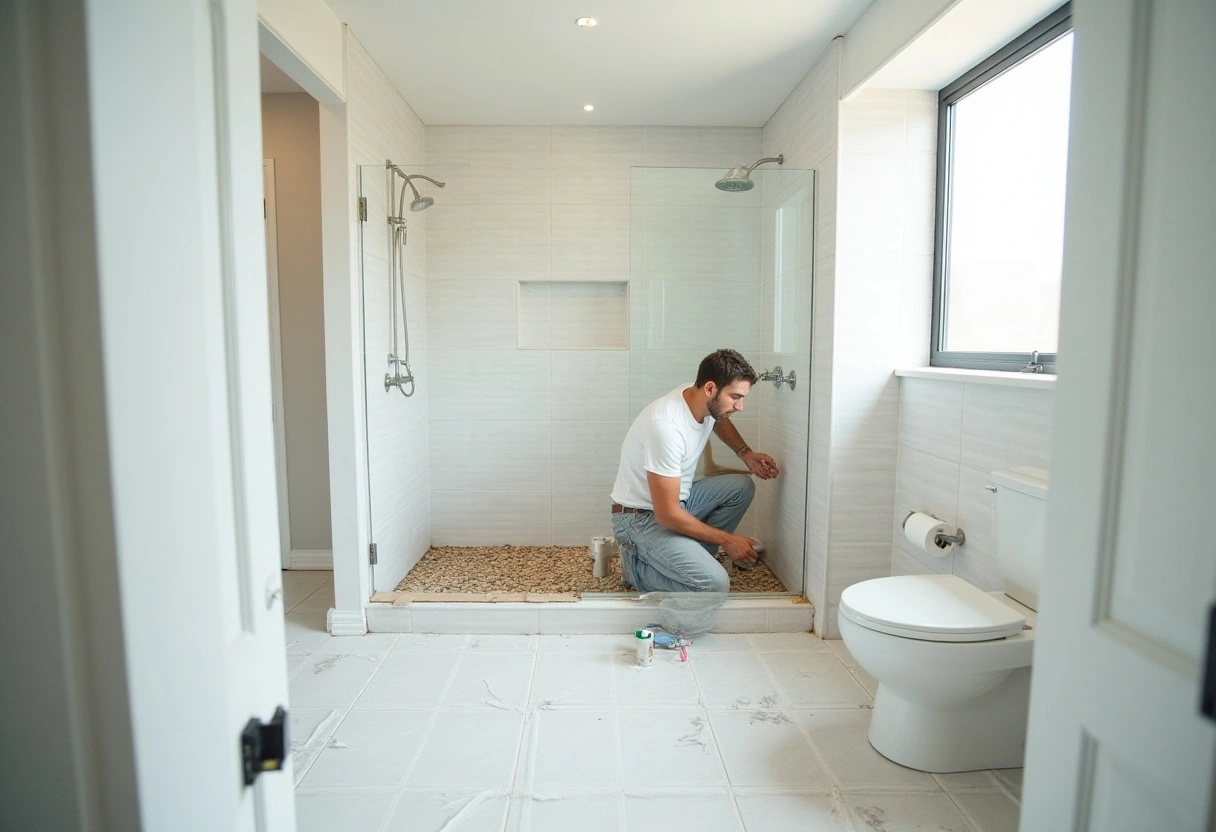
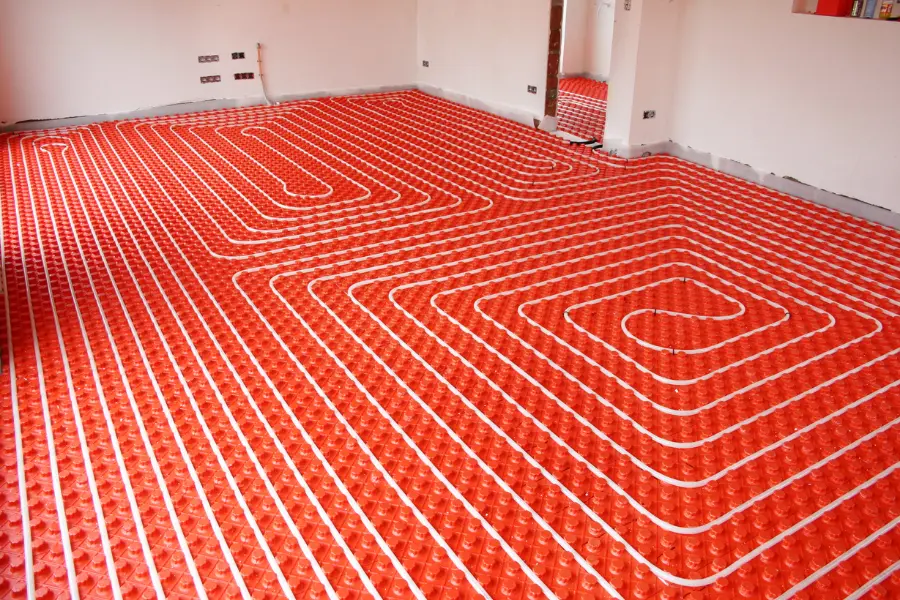
Basement flooring should be durable, moisture-resistant, and practical for how you’ll use the space. Luxury vinyl plank (LVP) is a top choice—it’s waterproof, attractive, and soft underfoot. Tile is another option, particularly for bathrooms. If you love the warmth of carpet, be sure to seal your floors first and consider waterproof padding. Concrete can also be polished or sealed for a modern, low-maintenance finish. And if you’re finishing a bathroom, consider radiant heated floors for comfort and luxury.
8. Walls, Ceilings, and Soundproofing
Finished basements should have proper insulation in the walls and ceilings—not just for warmth, but for sound control too. Drop ceilings provide easy access to pipes and wires but may reduce headroom. Drywall gives a more finished look. Either way, don’t overlook the importance of soundproofing between floors for both comfort and privacy.
9. Keep Moisture Out (All Year Long)
Even after you finish your basement, keep moisture in mind. Install a built-in dehumidifier with a drain line if possible, or at least run a plug-in version during humid seasons. Ensure your backyard slopes away from your foundation, and routinely check for signs of leaks or condensation. A dry basement is a healthy basement.
10. Think Long-Term
You might just be creating a playroom or movie room now—but what about the future? Will you want a guest suite? Home office? Gym? Building flexibility into your layout and wiring now can save thousands later.
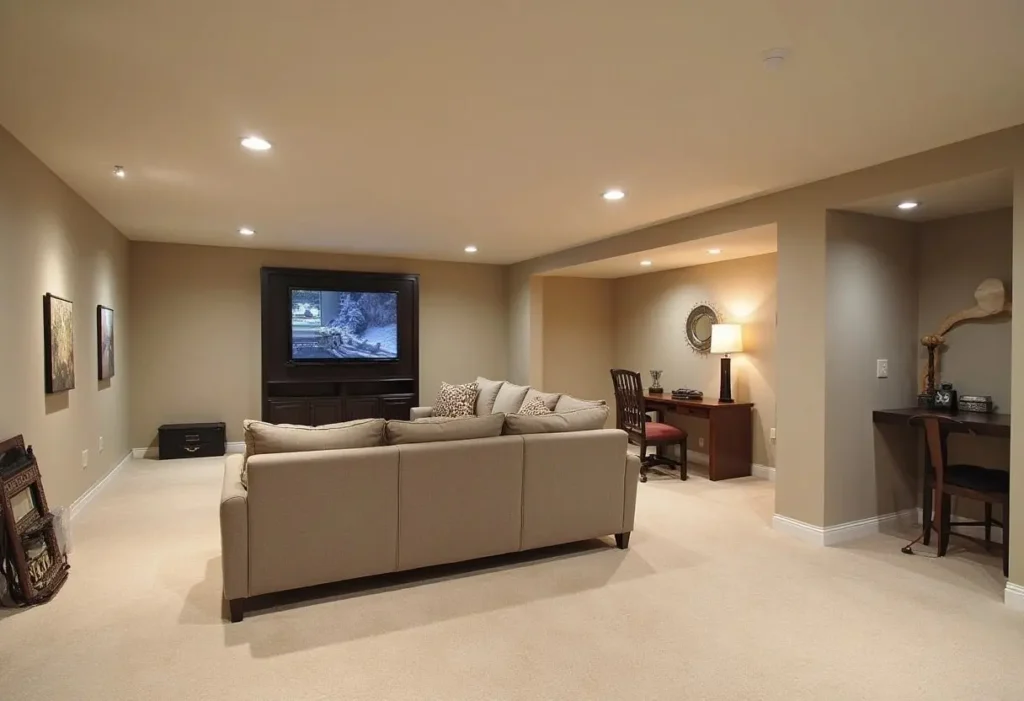
At Integrity Construction & Restoration, we understand that finishing a basement isn’t just about adding space—it’s about making it feel like home. From layout planning to moisture protection, we help homeowners make smart, lasting choices that turn their basement into a place they actually want to spend time.